Which Waterfalls Can You Visit in Udzungwa?
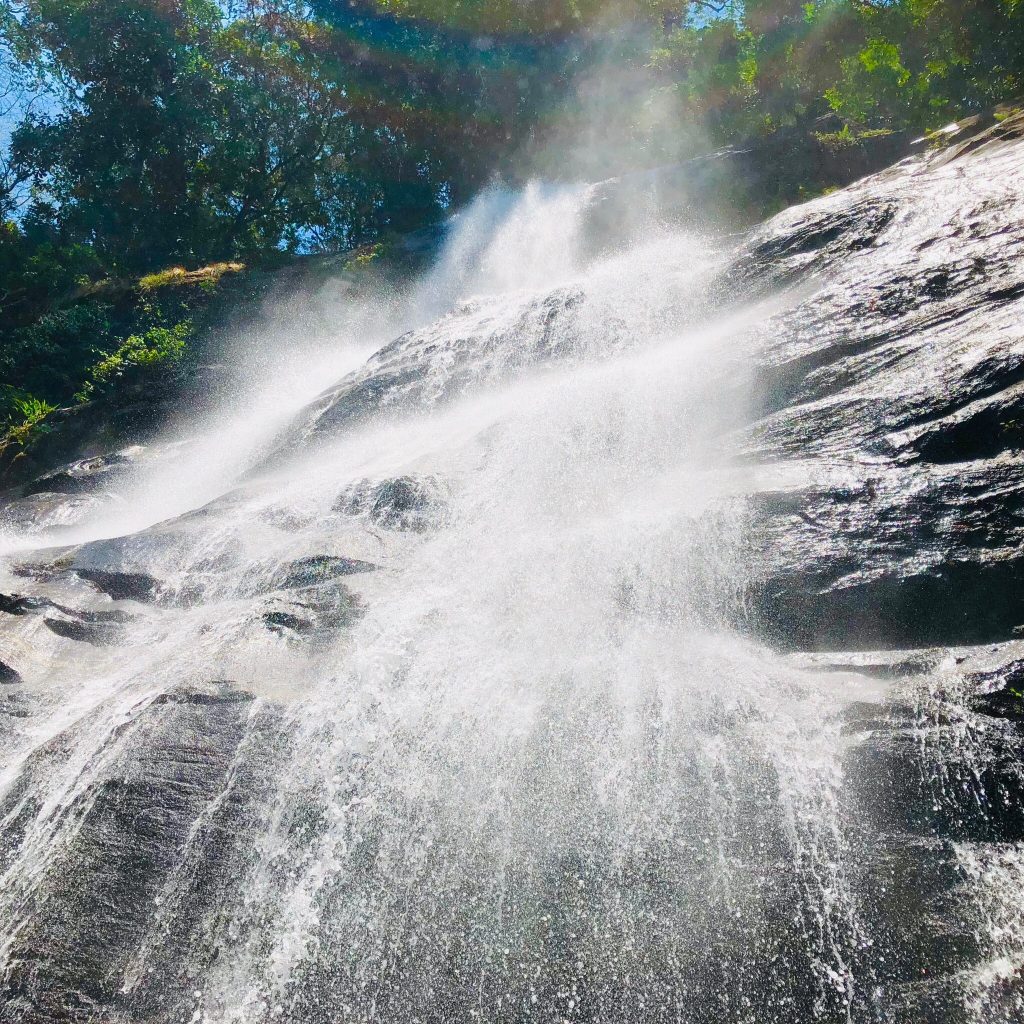
Udzungwa Mountains National Park holds at least six visitable waterfalls, led by Sanje at roughly 170 metres across three tiers, along with Prince Bernhard, the two Sonjo cascades, Njokamoni, Msolwa, Mwaya and the Moyer falls on the Hidden Valleys circuit. All are reached on guided walks from the Mang’ula headquarters, and swimming is permitted at several. Udzungwa is a rainforest park in south central Tanzania where every waterfall is walked to rather than driven to.
What makes them unusual is that they run all year. The forest generates its own moisture off the Indian Ocean side of the escarpment, so the dry season does not reduce them to damp rock.
Sanje Waterfall: The Largest in the Park
Sanje Waterfall drops around 170 metres in three stages and is described as the highest in Tanzania’s national park system. The trail takes four to six hours return with about 450 metres of climbing, and it is the busiest walk in the park by a wide margin.
The middle fall arrives first, viewed from a ledge with spray drifting across the path. Above it, a harder pull reaches the top tier, which falls about forty metres into a pool you can swim in. The largest drop sits below the main path and takes a twenty minute detour to reach its base, where the pool is warmer and people jump in from the rocks.
A viewpoint two thirds of the way up opens over the Kilombero floodplain, and at the right time of year the sides of the gorge fill with fireball lilies.
Prince Bernhard Falls Near the Headquarters
The smallest and easiest of them, about a kilometre from the park headquarters on a walk of thirty to forty five minutes return. Named for Prince Bernhard of the Netherlands, who opened the park in 1992 in his role with the World Wide Fund for Nature and who, at eighty four, could not manage the climb to Sanje.
A single modest drop into a shaded pool ringed by rock. Baboons are frequently seen along the path and red colobus feed in the canopy above. Since the trail starts within walking distance of the office, this is the fall to visit on an arrival afternoon, and the same 24 hour permit will still be running the next morning.
The Two Sonjo Waterfalls on the Northern Trail
Two cascades on a gentle three kilometre circuit with only 120 metres of gain. Twenty minutes of easy walking reaches the base of the first. Fifteen minutes more on a steeper path reaches the second, and from there you can cross the water and climb briefly to a ridge, descending on a different path that rejoins the road within twenty metres of the first.
Neither is tall, and both are the kind you can stand beside without shouting. Pools are shallow, so this is paddling rather than swimming. The Sonjo trail is a favourite among visitors who like waterfalls more than they like climbing, and it doubles as the first section of the Mwanihana trekking route.
Njokamoni Waterfall on the Quietest Trail
Four to five hours return over roughly six and a half kilometres, similar in length and altitude to Sanje but walked by almost nobody. The Njokamoni waterfall sits at the top with a pool most groups get into before heading down.
The stream that feeds it also supplies water to the forest camp on the park boundary, which is a small detail that makes the geography click once you are back. Because so few people use this path, it offers the best day walk odds in the park for the endemic Sanje mangabey. The trail starts at the headquarters and finishes on the road about a kilometre below the camp.
Msolwa and Mwaya Falls
Two smaller falls that appear on the park’s list and see very little traffic. Msolwa lies towards the Msolwa side of the park near the village of the same name, and Mwaya is another modest drop on a short walk.
Neither is a destination in the way Sanje is. Both are worth asking about at the headquarters if you are staying several days and have already walked the main trails, since the guides will happily take you somewhere they rarely get to go. Expect short walks rather than expeditions.
The Moyer Falls on the Hidden Valleys Circuit
The Moyer waterfalls sit on the longest single day walk in the park, the Hidden Valleys circuit at around seventeen kilometres and six to seven hours, climbing above 1,300 metres. Reaching them means a short detour on the descent, after following elephant trails down to the Moyer River and crossing it several times.
An armed ranger is required on this route because elephant and buffalo use the grassy clearings on the plateau. This is the least visited of the park’s falls simply because getting there is a full and demanding day.
Where You Can Swim at the Udzungwa Waterfalls
Water volume swings hard through the year, so what is a gentle pool in September becomes a churning one in April. Guides call it off when the current is unsafe, and that judgement is not worth arguing with. Bring a towel; almost nobody does.
Why the Udzungwa Waterfalls Flow All Year
Moist air from the Indian Ocean rises against the escarpment, cools and drops its water, which gives the southeastern slopes up to two or three thousand millimetres a year while the northwestern side sits in a rain shadow at around six hundred.
Forest canopy holds that water in the system, releasing it slowly rather than letting it run straight off, which prevents flooding in the wet months and keeps flow going through the dry ones. The same mechanism makes this range a water tower for southern Tanzania, feeding the Kilombero and Rufiji rivers, irrigating the valley below and driving hydropower at Kidatu.
Photographing the Udzungwa Waterfalls
Spray is the practical problem. It carries much further than it looks from the path, so a cloth and a dry bag matter more than any lens choice, and lenses fog the moment you step from cool forest into open air near the water.
Morning light works best at Sanje, with sun on the falls before noon and the valley view clear of haze. The lower fall, viewed from its base looking up, is the shot most people remember taking. At the smaller falls the interest is closer in: ferns on wet rock, water breaking over stepped stone, butterflies gathered on damp sand at the crossings. Nobody is queueing behind you at Njokamoni or Moyer, so waiting for the light is actually possible.
Best Time for a Udzungwa Waterfall Hiking Trip
June through October gives the safest footing and the most comfortable swimming, with volume lower but still substantial. The long rains from March to May produce the most dramatic water and the hardest walking.
Getting to the Udzungwa Waterfall Trailheads
All walks begin at the headquarters at Mang’ula, on the road between Mikumi town and Ifakara, where fees are paid and a guide assigned. Prince Bernhard and Njokamoni start there. The Sanje trailhead lies a few kilometres north near Sanje village, reached by tuk tuk, and Sonjo village sits a short transfer beyond.
Mang’ula is five to six hours from Dar es Salaam via Chalinze, Morogoro and the highway through Mikumi National Park, with the last 24 kilometres on graded dirt from Kidatu. Mikumi itself is around 60 kilometres north and Iringa two to three hours southwest. Sanje Waterfall is visible from the road as you drive in.
Frequently Asked Questions About Udzungwa’s Waterfalls
How much does it cost to visit the waterfalls?
Non resident adults pay a conservation fee of 30 US dollars per person for 24 hours, roughly 35.40 with value added tax, which covers any falls you reach in that window. A compulsory guide adds around 20 dollars per day, charged per guide rather than per person, so groups share it. Children between five and fifteen pay about 10 dollars and under fives are free. Some operators quote a full day guided rate near 50 dollars per person.
How tall is Sanje Waterfall?
Around 170 metres in total across three tiers, with some sources rounding to 180. The uppermost drop, which has the main swimming pool at its base, accounts for about forty of those metres. It is described as the tallest waterfall in Tanzania’s national park system.
Can you swim at the Udzungwa waterfalls?
Yes, at several, which is unusual for a Tanzanian national park. The Sanje upper pool and the pool at the base of its lower fall are the main spots, and the Njokamoni pool is another. Sonjo and Prince Bernhard have shallow pools better suited to paddling. Guides will refuse swimming when the water is running too strong.
Which waterfall is easiest to reach?
Prince Bernhard, about a kilometre from the headquarters on a walk of thirty to forty five minutes. The Sonjo falls come next, twenty minutes to the first cascade on a gentle three kilometre circuit. Both suit families and anyone short of time or energy.
Do the waterfalls dry up in the dry season?
No. Volume drops but they keep flowing, because the range intercepts Indian Ocean moisture year round and the forest holds water in the system. That is unusual and it means a June to October visit still delivers proper waterfalls alongside far better walking conditions.
How many waterfalls can I see in one day?
The two Sonjo cascades plus Prince Bernhard fit comfortably into a single day, since both trails are short. Sanje on its own fills a day. Njokamoni likewise. Trying to combine two of the long trails on one permit is technically possible and not something anyone enjoys.
Booking Your Udzungwa Trip
The safari companies and tour operators listed on this website put trips like this together for a living and know which camps, guides and routes actually deliver. We are an independent guide to Udzungwa; we do not book or sell tours ourselves.
When you are ready, arrange your safari, tour or holiday with one of the recognised operators listed here. Tell them your dates and what matters most, and a real person, not a form, will handle the itinerary, park bookings and logistics for you.