Which Month Is Best for Hiking in Udzungwa?
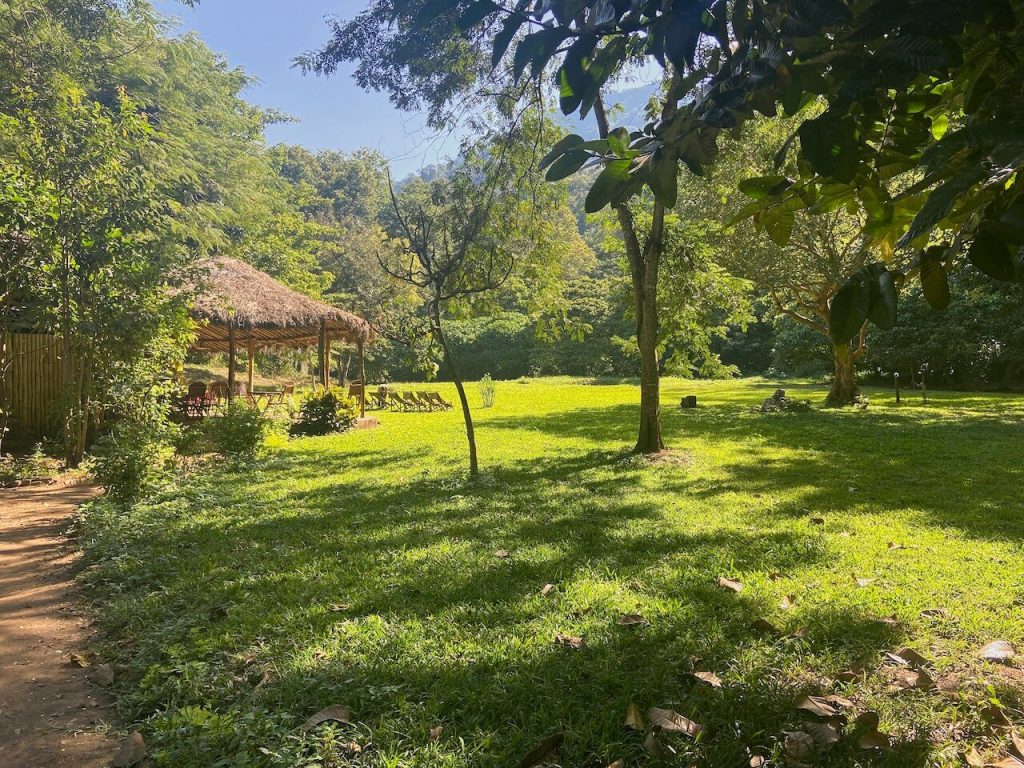
July and August are the best months for hiking in Udzungwa Mountains National Park, with the driest trails, the coolest walking temperatures and the highest chance of clear views from the escarpment. June and September run them close, and every route in the park is open through this stretch. Udzungwa is a rainforest park in south central Tanzania where all travel is on foot, so trail surface decides more about a visit here than anything else.
Month by month is the useful way to look at this, because the difference between April and July in these mountains is not a matter of degree.
June: The Trails Start Drying Out
The long rains have finished and the ground is firming up, though the first weeks of June can still hold moisture from May. Temperatures fall into the cool range, with days around twenty one degrees and nights at altitude near nine.
Multi day treks start running again after the wet season suspension. Waterfalls are still carrying good volume from the rains, so a Sanje Waterfall hike this month gives you both strong water and improving footing. Accommodation has not yet filled the way it does later in the season.
July and August: Peak Hiking Months
These are the two months to aim for. Rainfall is at its lowest, the plateau sections have drained properly, and the steep root covered pitches on the Sanje and Njokamoni trails stop being a hazard.
Clear mornings become likely rather than lucky, which matters for the Kilombero Valley viewpoints and for anyone climbing to the Mwanihana ridge over two or three days. Cool temperatures make the long climbs considerably more pleasant than they are later in the year.
Two catches. Nights on the plateau are genuinely cold at around nine degrees, so a proper sleeping bag matters. And these are the busiest weeks for the small supply of beds near the gate, so book months ahead.
September: Still Dry and Warming Up
Conditions stay excellent while the temperature climbs. Trails remain firm, all routes are open, and the visibility from the high ground is at its best of the year.
The lower forest starts feeling hotter, which affects the long climbs more than the short walks. Starting by eight becomes less of a recommendation and more of a requirement. For multi day trekking on the Mwanihana route or the 65 kilometre Lumemo trail, September is as good as July with slightly warmer nights.
October: Hottest Month, Rain Returning
October brings the highest temperatures of the year, with maximums around thirty one degrees, and precipitation begins climbing again towards the end of it.
Trails are still firm and everything remains walkable, so this is not a month to write off. Heat becomes the limiting factor on the long climbs rather than mud. Carrying three litres of water instead of two makes a real difference on the Sanje circuit or the Hidden Valleys route. Butterflies begin building as the moisture returns.
November and December: Short Rains on the Trails
Rain arrives as afternoon storms rather than continuous drizzle, which leaves mornings largely usable. Daytime temperatures sit near twenty five degrees in the valley and humidity climbs.
Short and medium trails handle this well. What suffers is the high plateau, where cloud sits lower and the ridge views that justify a two day Mwanihana trek often fail to materialise. Trails are quiet, rates near the gate soften, and migrant birds start arriving. A reasonable compromise month for anyone who cannot travel in the dry season.
January and February: Warm, Humid and Variable
A gap opens between the short and long rains, with days easing to around twenty three degrees and rainfall becoming unpredictable rather than steady. Some years this stretch is close to dry, others it is not, and nobody forecasts it reliably.
Humidity is the defining feature. The lower forest is muggy enough that quick drying clothing stops being advice and becomes necessary. Butterflies are at their peak across the miombo belt and along stream margins, and this is the strongest birding period of the year with migrants nesting inside the park. Multi day treks are possible and less reliable than in the dry months.
March, April and May: The Long Rains
April is the wettest month of the year and the one to avoid if hiking is the point. Nights cool to around thirteen degrees, days sit near twenty two, and the southeastern slopes take the bulk of their two to three thousand annual millimetres in this window.
Root covered sections turn treacherous, stream crossings rise, and a number of trails become impractical. Several operators suspend multi day treks entirely through these months. What you get in exchange is the forest at its most alive: waterfalls at full volume, fungi across the floor, frogs calling from every pool and orchids flowering on mossy bark. Photographers and biologists choose this season deliberately. Hikers mostly should not.
Month by Month Hiking Summary
How the Month Changes What You Carry
Kit shifts with the calendar more than people expect in a place that stays warm all year. From June to September the plateau nights fall towards nine degrees, so a proper sleeping bag rather than a liner is the difference between resting and enduring on a Mwanihana trek.
October demands water above everything, since highs near thirty one degrees turn a four hour climb into a genuinely hot one. From November through May the priority swaps to grip and dry bags: boots with real tread for the slick root sections, full waterproofs, and lining your pack rather than trusting a cover. A light rain shell belongs in the daypack in every month regardless, because mist and drizzle occur at altitude even in the driest weeks.
How the Month Affects Which Trails You Can Walk
How Busy the Trails Get by Month
Busy is a relative word in a park that averages very few visitors a day. Even in August, the peak of the season, walking the Sanje trail means passing a handful of other groups rather than joining a procession, and the Njokamoni and Hidden Valleys routes stay close to empty in any month.
What genuinely fills is accommodation. The camp on the park boundary has six tents, and July through September books out months ahead while people assume a quiet park must have spare rooms. So the practical effect of choosing a peak month is not crowded trails; it is fewer choices about where you sleep, and higher rates for the choice you get.
Getting to Udzungwa in Your Chosen Month
The road copes better than the trails do. Tarmac runs to Kidatu and the last 24 kilometres to Mang’ula is graded dirt, straightforward in the dry months and slower after heavy rain without ever closing. Dar es Salaam is five to six hours away via Chalinze, Morogoro and the highway through Mikumi National Park, and Mikumi itself around 60 kilometres north.
From March to May allow extra time on that final stretch and travel earlier in the day. The TAZARA train and Ifakara buses run year round, and tuk tuks cover the short hops to the trailheads.
Frequently Asked Questions About Hiking Months in Udzungwa
Do costs change by month?
Park fees do not. The conservation fee stays at 30 US dollars per person per 24 hours for non resident adults all year, roughly 35.40 with value added tax, with a guide at around 20 dollars per day. Accommodation does move: the forest camp on the boundary starts from about 60 dollars per person per night and charges more between June and October than in the wet months.
Which single month is best?
August, narrowly ahead of July. Driest trails, coolest walking, best odds of a clear morning on the ridges, and every route in the park available. The only real drawbacks are cold nights at altitude and heavy demand on the small number of beds near the gate.
Which month should I avoid?
April, at the peak of the long rains. Steep sections become genuinely slippery, crossings rise and multi day treks are commonly suspended. March and May are only marginally better. If those are your only available dates, plan for the short trails and accept that summit views are unlikely.
Can I hike in the rainy season at all?
Yes, on the shorter routes. Prince Bernhard, Sonjo and the lower falls option at Sanje all keep running. Bring boots with the best grip you own, full waterproofs and dry bags. The forest is at its most striking in these months, which is a genuine compensation.
When are the waterfalls at their best?
March to May for sheer volume, June to October for comfortable viewing and swimming. The falls flow all year because the range makes its own moisture, so the dry season never reduces them to a trickle. That combination is why most guides still point people towards the dry months.
How far ahead should I book for the best months?
Several months for July through September if you want a tent at the camp on the park boundary, since it has only six. Multi day treks need arranging weeks ahead in any season for rangers, porters and permits. Day walks need no advance booking, since guides are assigned at the headquarters on arrival.
Booking Your Udzungwa Trip
The safari companies and tour operators listed on this website put trips like this together for a living and know which camps, guides and routes actually deliver. We are an independent guide to Udzungwa; we do not book or sell tours ourselves.
When you are ready, arrange your safari, tour or holiday with one of the recognised operators listed here. Tell them your dates and what matters most, and a real person, not a form, will handle the itinerary, park bookings and logistics for you.