Community Visits in Udzungwa National Park
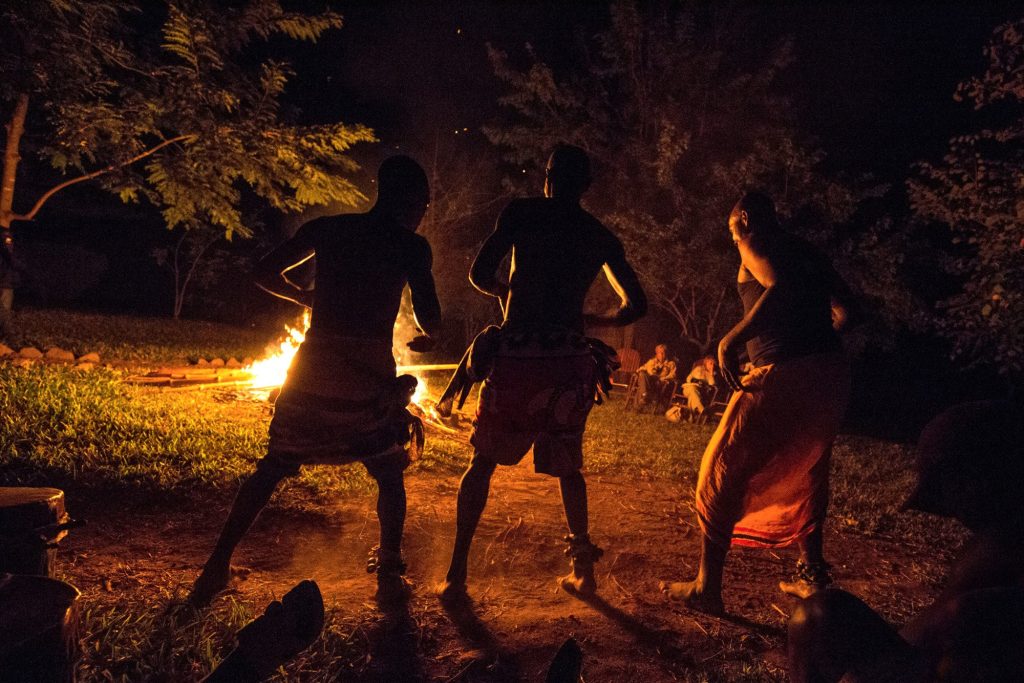
Community visits around Udzungwa Mountains National Park take in the villages along the Kilombero Valley road, cultural tours covering Hehe and Ndamba traditions, rubber and sugar plantations, and community run campsites near the gate. Arrangements are made through the camps at Mang’ula or the park headquarters. Udzungwa sits in south central Tanzania, and the villages beside it depend on the same forest the park protects.
This is the part of a visit most itineraries leave out, and it explains more about why the park exists than any trail does.
The Villages Along the Park Boundary
Mang’ula is a working village rather than a tourist settlement, and the same is true of Sanje and Sonjo further north. Maize, rice and sugar cane plots run right up to where the forest starts, and behind the last houses the escarpment rises and the canopy closes over a few dozen metres.
That boundary is worth looking at properly. Villagers here live with the park in ways that are not always comfortable: elephants come down into crops, water for irrigation comes off the same mountain, and land is limited. Guides raised in these settlements explain the relationship better than any signboard, and on a village tour the conversation is usually the substance rather than the sights.
Hehe and Ndamba Cultural Tours
The park’s name comes from the Kihehe word Wadzungwa, meaning people who live on the mountainsides, and the Hehe are the people of this range. The Ndamba live in the valley below. Cultural visits arranged through the camps cover the traditions of both, including homestays and traditional dance.
The cultural geography extends into the park itself. Bokela, treated as a mountain deity, is visible from the Prince Bernhard trail. Udzungwa is the only Tanzanian national park known to hold a culturally important natural cave, and that site survived destruction before gazetting because traditional taboos protected it. Mwanaruvele and Magombereka caves, and the Nyumbanitu and Ndundulu mountains, all carry local weight.
Rubber and Sugar Plantation Visits
The Kilombero Valley is worked land on a considerable scale. Sugar cane fills much of the flat ground, centred on operations at Kidatu where there is also a hydroelectric station driven by water off these slopes. Rice and maize occupy the rest, and there is a large rubber plantation where tours are given.
These visits appeal more than visitors expect. Rubber tapping is a process almost nobody has watched, and seeing how the valley economy actually works puts the forest above it in context. Both are easily arranged through the camps near the gate and fit into an afternoon rather than a full day.
Cycling Through the Kilombero Valley
The country around Mang’ula is flat and the surrounding area is best explored by bicycle, which is the recommendation locals make and few visitors take up. Cycling covers village life, schools, markets, farmland and the plantations at a pace that allows stopping.
Wildlife appears along the way too: bushbuck, duiker, birds along the field edges, and the wetlands beside the road that hold herons, kingfishers and two cisticola species tied to this valley. It also gets you further from the gate than walking allows, and it works in the wet months when the mountain trails are hard going.
How Community Visits Support the Villages
Tourism money reaches these communities through several routes, and knowing which they are helps you choose. Guides, rangers, porters and cooks are drawn from villages along this valley, so hiring locally and tipping properly is the most direct mechanism.
The camp on the park boundary was built by a local workforce with the stated aim of raising awareness of the park and improving community livelihoods. TANAPA runs buffer zone programmes and shares tourism revenue with boundary villages, alongside agroforestry work aimed at reducing dependence on forest resources. Community run campsites near the gate keep the money local by design.
Magombera and Community Managed Conservation
The clearest example sits below the mountains. The lowland forest at Magombera was de-gazetted in 1980 and sold to a sugar company, then protected as a nature forest reserve in 2019 after roughly forty years of research and campaigning.
What makes it unusual is the fee structure: part of every visitor’s entrance fee goes directly to local village communities alongside the managing authority, under a joint arrangement involving the Tanzania Forest Service and four adjacent villages. The red colobus there were never hunted because of local taboos, which is why they are relaxed enough for close viewing on the flat five kilometre trail. Visits need arranging in advance.
Visiting Responsibly
Ask before photographing anyone, and accept a refusal without argument. A guide making the introduction changes the whole exchange and usually produces better photographs than a long lens from a vehicle would.
Pay for people’s time rather than treating a visit as free entertainment, and buy from the market or the roadside rather than bringing everything with you. Handing sweets or money to children is the habit to avoid, since it creates the begging dynamic that visitors then complain about. If you want to give, ask your guide how, and the answer is usually a school or a cooperative rather than an individual.
Fitting Community Visits Into a Trip
Where the Guides and Porters Come From
Almost entirely from these villages, which is the point most easily missed. Every guide who walks you up the Sanje trail, every armed ranger on the plateau routes and every porter on a Mwanihana trek lives within a few kilometres of the gate.
Training runs through TANAPA and, indirectly, through decades of research based at the ecological monitoring centre at Mang’ula, which is why a question about a plant or a bird call usually produces a specific answer. Hiring locally, tipping properly at the end of a trek and taking a village tour are the three most direct ways a visitor puts money into the communities that live against this forest, and they matter more here than a donation made from home.
Best Time for Community Visits
Year round, and this is the activity that holds up best when the weather does not. Village visits, plantation tours and cycling all work in the rains, which is worth knowing if you are travelling between March and May when the mountain trails are difficult.
What Village Life in the Valley Involves
Farming, mostly, and on a scale that surprises visitors expecting subsistence plots. Rice and maize fill the flat ground alongside sugar cane grown for the operations at Kidatu, and rubber is produced on a large plantation nearby.
Water is the constant. It comes off the forested slopes the park protects, irrigates the fields and drives a hydroelectric station, which is why the relationship between the villages and the mountain is more complicated than a boundary line suggests. Elephants coming down into crops are a genuine grievance rather than a charming detail. Agroforestry programmes in the buffer zone aim to build alternative resources so that people depend less on the forest itself, and the park authority reports that attitudes towards conservation have improved as a result.
Getting to Udzungwa for Community Visits
Everything runs off the road between Mikumi town and Ifakara. The park headquarters and the villages sit along it at Mang’ula, with Sanje and Sonjo north and Kidatu and Kilombero back towards Mikumi.
Dar es Salaam is five to six hours away via Chalinze, Morogoro and the highway through Mikumi National Park, with graded dirt for the final 24 kilometres. Mikumi is around 60 kilometres north. The TAZARA train stops at Mang’ula station and Ifakara buses pass the gate, and tuk tuks handle short hops around the village.
Frequently Asked Questions About Community Visits
What do community visits cost?
Village and cultural tours arranged through the camps typically cost a modest amount per person, well below a day’s park fees, with the money going to the community rather than to TANAPA. No park conservation fee applies since these happen outside the boundary. At Magombera an entrance fee applies and part of it goes directly to the surrounding villages. Tipping guides and hosts is customary.
How do I arrange a village visit?
Through the camps at Mang’ula or by asking at the park headquarters. Cultural tours covering Hehe and Ndamba traditions, homestays, plantation visits and cycling are all organised locally rather than through international operators, and a day’s notice is usually enough.
Are homestays available?
Yes, as part of the cultural tour offering in nearby villages. Standards are simple and the arrangement is the point rather than the comfort. Discuss expectations with whoever arranges it, and treat it as staying in someone’s home rather than as accommodation you have purchased.
Is it appropriate to visit villages as a tourist?
When it is arranged locally, paid for properly and led by someone from the community, yes. The visits exist because villages here chose to offer them as a source of income alongside farming. What is not appropriate is wandering in unannounced, photographing people without asking, or handing money to children.
Can I visit Magombera and the park in one trip?
Easily. Magombera sits in the lowlands nearer the road between Mikumi and Mang’ula, so it folds into an arrival or departure day. Its flat five kilometre trail suits anyone who wants habituated red colobus without a climb, and it needs arranging in advance.
Do these visits actually help the community?
The direct ones do. Local guiding fees, community run campsites, homestays and the Magombera fee split all channel money into the villages. TANAPA also shares park revenue with boundary villages through buffer zone programmes, so the conservation fee you pay at the gate contributes as well.
Booking Your Udzungwa Trip
The safari companies and tour operators listed on this website put trips like this together for a living and know which camps, guides and routes actually deliver. We are an independent guide to Udzungwa; we do not book or sell tours ourselves.
When you are ready, arrange your safari, tour or holiday with one of the recognised operators listed here. Tell them your dates and what matters most, and a real person, not a form, will handle the itinerary, park bookings and logistics for you.