How Many Days Should You Spend in Udzungwa?
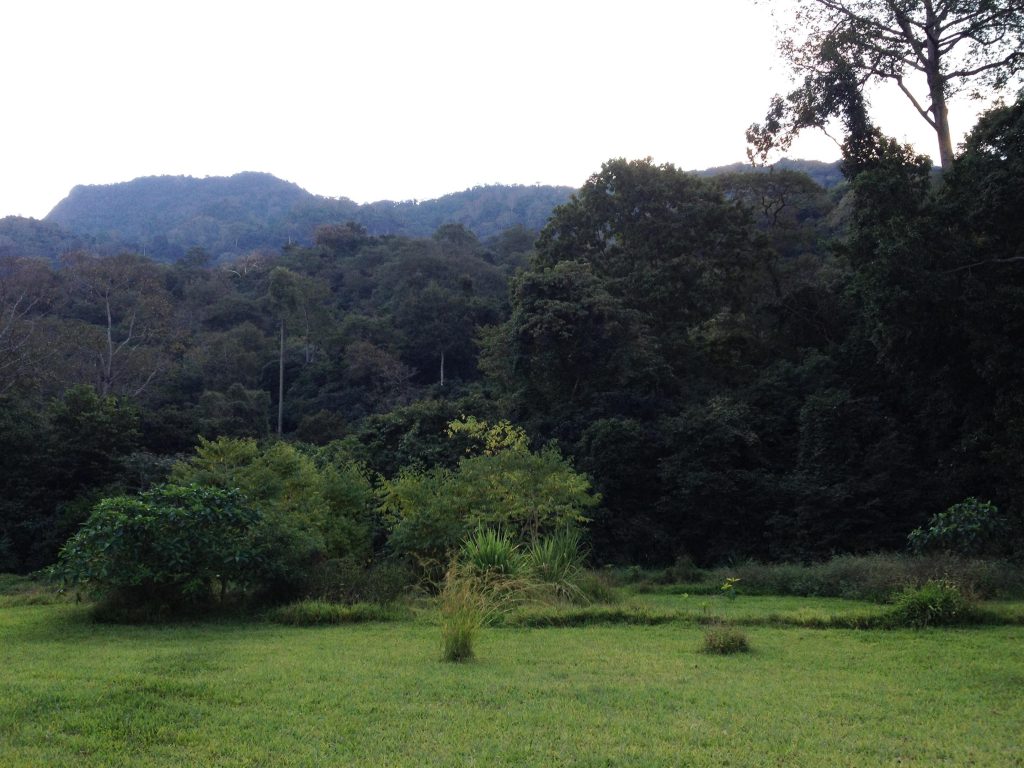
Two full days is the sensible minimum for Udzungwa Mountains National Park, enough for the Sanje Waterfall hike plus one shorter forest walk, while trekkers heading for Mwanihana Peak need four or five and the Luhombero expedition takes most of a week. Trails are booked at the Mang’ula headquarters with a compulsory guide. Udzungwa is a rainforest park in south central Tanzania where all access is on foot, so how much you see depends directly on how many days you can walk.
People routinely give this park a single afternoon and leave feeling they missed something. They did.
One Day in Udzungwa: The Sanje Waterfall Hike
A single day gets you the headline walk and nothing else. The Sanje Waterfall hike takes four to six hours return, climbing about 450 metres through forest to a fall of roughly 170 metres in three tiers, with a swimmable plunge pool near the top and a viewpoint over the Kilombero Valley on the way.
Done as a day trip from Mikumi, ninety minutes away, this works if you leave by six in the morning. Done as a stop on a longer drive, it works if you reach the headquarters before nine. Either way the day is full and there is no margin for a second trail.
It is a good day. It is also a fraction of the park.
Two Days for Sanje Plus a Shorter Forest Walk
Two days is where a Udzungwa hiking safari starts making sense. Give the full day to Sanje and use the arrival afternoon or departure morning for something short: Prince Bernhard Falls, about a kilometre from the headquarters and under an hour return, or the Sonjo circuit at three kilometres with two cascades and only 120 metres of gain.
That combination shows you closed lowland forest, a major waterfall, a valley viewpoint and a decent chance at three or four primate species. One night at Mang’ula covers it, and the permit timing usually lets you get both walks on a single conservation fee.
For most visitors on a southern circuit trip, this is the right answer.
Three Days for Primate Tracking and the Hidden Valleys Trek
A third day opens the trails that day trippers never reach. The Njokamoni route, four to five hours over roughly six kilometres, carries so few walkers that Sanje mangabey troops feed close to the path, which makes it the best day walk in the park for the harder to find endemic.
The other option is the Hidden Valleys circuit, also called the Campsite 3 trail, which runs about seventeen kilometres over six to seven hours and climbs above 1,300 metres, following elephant trails down to the Moyer River with several crossings and a short detour to its waterfalls. An armed ranger is required, since elephant and buffalo use the grassy clearings up there.
Three days also gives you the option of doing nothing much on one of them, which is a better use of time here than it sounds. Watching colobus move through the camp grounds after two hard walks is how most people remember the park.
Three days means two conservation fees rather than one, which is still modest by Tanzanian standards.
Four to Five Days for the Mwanihana Peak Trek
The Mwanihana Peak trek covers 38 kilometres over two or three days from Sonjo village, climbing from about 300 metres to a ridge near 2,150 through miombo, lowland forest, grassy plateau, montane forest, bamboo and heather. Camping is at Njia Panda and higher sites, with a guide, an armed ranger, porters and a cook.
Do not plan to summit and drive five hours to Dar es Salaam the same day. Trekkers come off that mountain tired, muddy and slower than the schedule says.
A Week for the Lumemo Trail and Luhombero
The Lumemo Trail runs 65 kilometres over five days, starting beyond Ifakara on the Lumemo River and returning along the Mwanihana side. It is the longest established route in the park and the most demanding after Luhombero.
Luhombero itself, the highest point at roughly 2,576 metres, takes five to seven days depending on the start point, with the route from Dabaga near Iringa at the longer end. Add travel at both ends and you are looking at eight or nine days for the trip. Very few visitors do either, and those who do are hikers first and safari travellers second.
How Many Days as a Side Trip from Mikumi
Mikumi sits about 60 kilometres away, roughly ninety minutes by road, which makes the park an easy extension rather than a separate trip. Three shapes are common.
A day trip from a Mikumi camp covers Sanje and gets you back before dark. One night at Mang’ula covers Sanje plus a short walk and is the best value addition to any southern circuit. Two nights lets you add Njokamoni or Hidden Valleys and turns the park from a stop into a destination.
Since accommodation at Mang’ula is limited compared with the camps around Mikumi, some travellers keep their comfortable bed and drive down twice. That works, and it costs a second conservation fee.
How Travel Time Affects the Days You Need
Getting here eats days, and people forget to count them. Dar es Salaam is five to six hours by road via Chalinze, Morogoro and Mikumi, with the tarmac ending at Kidatu and graded dirt covering the last 24 kilometres. Iringa is two to three hours the other way. The TAZARA train takes around six hours when it runs to schedule and arrives at night.
So a two day visit realistically becomes four days from Dar es Salaam and back. Building the park into an itinerary that already passes through Mikumi is the way to avoid paying that travel cost twice.
How Many Days Birdwatchers Should Allow
Three at minimum, and four if the Eastern Arc specialists matter to you. Around 400 species are recorded here with roughly twenty five restricted to these mountains, and the interesting ones live high, which means the Hidden Valleys circuit or a leg of the Mwanihana trek rather than the short waterfall walks.
Early starts are non negotiable, so plan one trail per day rather than trying to stack them. The wetlands along the Mang’ula road add water birds and take an hour or two on their own.
Best Time of Year to Spend Longer in the Park
June through October is when extra days pay off most, since firm trails open the longer routes and multi day treks run reliably. In the wet months the short trails still work well, so a two day visit holds up year round even when a week does not.
Getting to Udzungwa and Fitting It Into a Route
The headquarters at Mang’ula sit on the road between Mikumi town and Ifakara. From Mikumi it is around 60 kilometres and ninety minutes. Dar es Salaam is five to six hours away, and Iringa two to three. Buses towards Ifakara pass the gate and the TAZARA train stops at Mang’ula station.
The natural southern circuit shape puts Mikumi first, then Udzungwa, then either back to the coast or onward to Iringa and Ruaha. Nyerere National Park adds boat safaris to the southeast for anyone with more time.
Frequently Asked Questions About Time in Udzungwa
How much does each extra day cost?
The conservation fee is 30 US dollars per person for each 24 hour period for non resident adults, around 35.40 with value added tax, and a compulsory guide adds roughly 20 dollars per day charged per guide rather than per person. Accommodation near the gate starts from around 60 dollars per person per night at the forest camp, with village guesthouses considerably cheaper. So a second day is a modest addition compared with the cost of getting here.
Is one day enough for Udzungwa?
Enough for the Sanje Waterfall hike and nothing more. If that is all your schedule allows it is still worth doing, particularly as a day trip from Mikumi. Two days is where the park starts showing you more than one trail.
How many days do I need for the Mwanihana trek?
Two or three days on the mountain, plus an arrival day and ideally a recovery morning, so four to five days at the park. The 38 kilometre route can be compressed into one night, though that makes for a very long summit day and most guides push for the three day version.
Can I combine Udzungwa and Mikumi in a week?
Comfortably. Two or three nights at Mikumi for game drives and two at Mang’ula for hiking fits inside a week including the drive from Dar es Salaam. Adding the Mwanihana trek pushes the same trip closer to ten days.
Is there anything to do on a rest day?
Yes. The surrounding area is flat and good for cycling, village and rubber plantation visits run from the camps, and the wetlands along the Mang’ula road are worth an early morning with binoculars. Plenty of visitors also just sit at the camp watching colobus move through the grounds, which is a legitimate use of a day here.
How far ahead should I book?
For day walks, no advance booking is needed since guides are assigned at the headquarters on arrival. Accommodation is the constraint, particularly between June and October, because the supply near the gate is small. Multi day treks need arranging weeks ahead for rangers, porters and permits.
Booking Your Udzungwa Trip
The safari companies and tour operators listed on this website put trips like this together for a living and know which camps, guides and routes actually deliver. We are an independent guide to Udzungwa; we do not book or sell tours ourselves.
When you are ready, arrange your safari, tour or holiday with one of the recognised operators listed here. Tell them your dates and what matters most, and a real person, not a form, will handle the itinerary, park bookings and logistics for you.