Guided Forest Walks in Udzungwa National Park
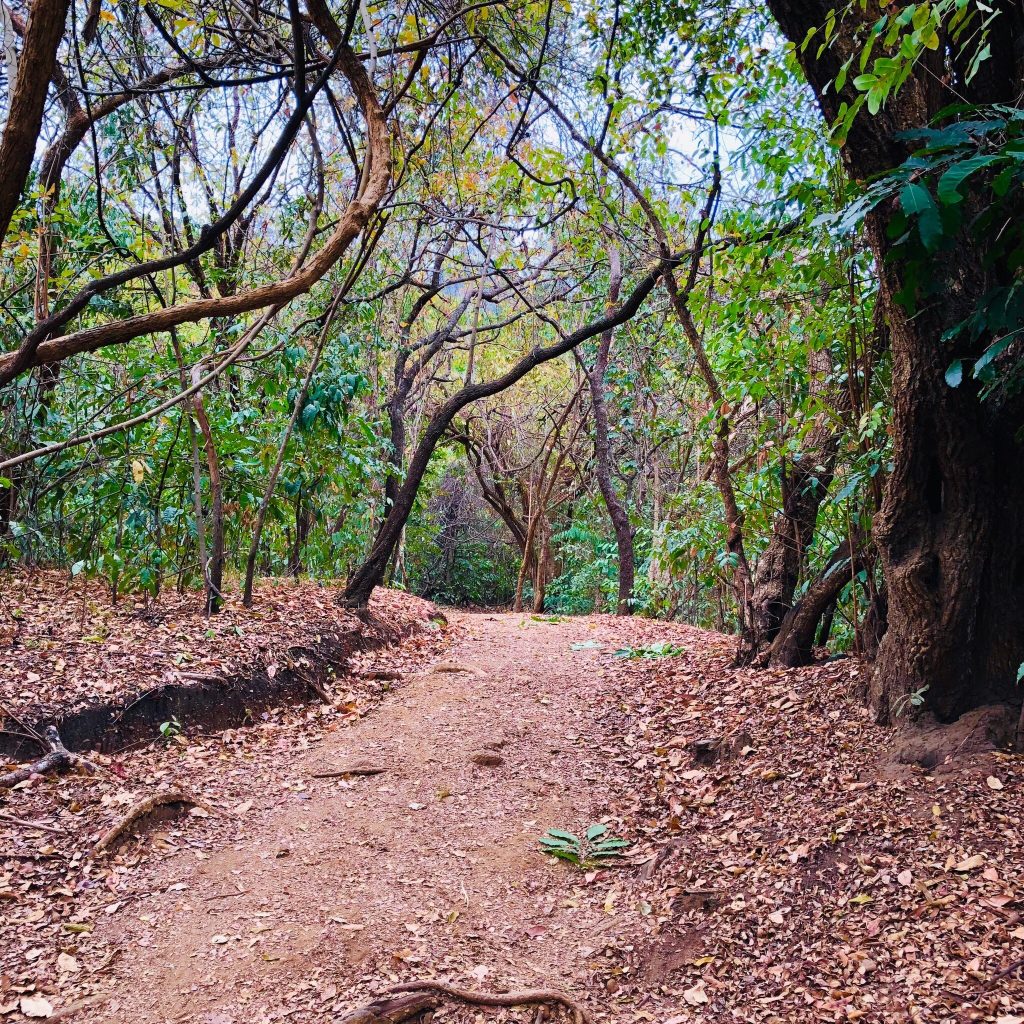
Guided forest walks are the only way to see Udzungwa Mountains National Park, since a licensed park guide is compulsory on every trail and no self guided option exists anywhere. Walks run from thirty minute strolls near the Mang’ula headquarters to full day circuits of seventeen kilometres, with guides assigned on arrival. Udzungwa is a rainforest park in south central Tanzania with no interior roads and around 400 recorded bird species.
The guide requirement reads like a formality until you are twenty minutes into the forest and realise the path has braided into three and you cannot tell which one you came on.
Why Every Trail Requires a Park Guide
Two reasons, and navigation is the bigger one. Trails here are only partly marked, sections through grassland grow over between seasons, and junctions are not always obvious. On the Hidden Valleys route, ground burnt by fire years ago now carries thick low vegetation riddled with elephant tracks where the correct path is genuinely easy to lose.
The second reason is wildlife. Elephant and buffalo use the plateau and the forest streams, which is why an armed ranger joins parties on the higher routes in addition to the guide. Guides also carry radio contact with the headquarters, which on a guided forest walk in a roadless park is the most useful piece of safety equipment in the group.
How a Guided Walk Is Arranged at the Headquarters
The process is straightforward and takes about twenty minutes. Arrive at the park headquarters on the road at Mang’ula, present your passport, pay the conservation fee through the government electronic system, and a guide is allocated. A large map on the office wall is where the trail gets agreed.
No advance booking is needed for day walks in any season, though it makes sense during the busy dry months or if you want a guide with particular strength in birds or plants. Multi day treks are different and need arranging weeks ahead, since rangers, porters and permits all have to be lined up.
Short Guided Walks Near the Park Gate
Two trails suit an arrival afternoon or anyone short of time. The Prince Bernhard Falls trail runs about a kilometre from the headquarters, thirty to forty five minutes return through closed lowland forest, with baboons frequently seen and red colobus feeding overhead. It is named for the Dutch prince who opened the park in 1992 and who, at eighty four, could not manage the Sanje climb.
The Sonjo circuit covers three kilometres with only 120 metres of gain, reaching the first cascade in twenty minutes and a second fifteen minutes above it, with an optional ridge crossing to return on a different path. Both are gentle enough for children and older walkers, and both sit inside the same 24 hour permit as the longer routes.
What Guides Show You That You Would Miss
This is where the fee earns itself. Guides trained through the park’s programmes name the medicinal plants used in the surrounding villages and explain what each one treats, which holds the attention of visitors who arrived expecting only monkeys.
They spot the things that do not move: orchids on a mossy trunk, wild African violets growing in their native range, chameleons matched to a branch. They identify birds by call long before anyone sees one, which matters where around 400 species live and most stay high in poor light. And they know which stretch of canopy a colobus troop has been using that week, which no map can tell you.
Primate Watching on a Guided Forest Walk
Twelve primate species live in the range, six of them active by day. On a typical half day walk most groups see two or three: Udzungwa red colobus, Angolan black and white colobus and blue monkeys, with yellow baboons near the forest edge.
The Udzungwa red colobus is the one found nowhere else that you can realistically plan on, since it favours the lower forest all the short trails cross. The Sanje mangabey is the difficult one, best sought on the quiet Njokamoni route, and park staff have habituated one troop which improves the odds considerably. Nothing is guaranteed, and groups that stop when the guide stops see roughly twice what talkative ones do.
Birdwatching on Guided Walks in the Forest
Ask for a guide with birding strength when you register, because specialisation varies. Around 400 species are recorded here with roughly twenty five restricted to these mountains, and the interesting ones live above 1,300 metres.
Hornbills are the accessible subject, with three species using the forest edge and flying in every evening at sunset while the valley echoes with their calls. Greenbuls, green barbets and forest weavers work the mid storey. Mixed feeding flocks move through in bursts and standing still for ten minutes when one arrives beats an hour of walking. Bring your own binoculars, since none are supplied.
Guided Walking Beyond the Park Boundary
Some of the best walking near Udzungwa is not inside it. The nature reserve at Magombera, in lowland forest at the eastern foot of the range, has a well maintained flat trail of about five kilometres where red colobus and Angolan colobus are relatively habituated and watch visitors from their perches rather than moving off.
Village and rubber plantation visits can be arranged through the camps, and the surrounding country is flat enough for cycling. The wetlands along the Mang’ula road repay an early morning with binoculars and cost nothing, since they sit outside the boundary.
Choosing the Right Guided Walk for Your Group
How Guides Are Trained and Where They Come From
Guides working these trails are licensed through TANAPA and drawn from the villages along this valley, which is the main route by which tourism money reaches the communities living against the forest boundary.
Training runs deeper here than in many parks, partly because Udzungwa has been an intensive research site for decades. An ecological monitoring centre at Mang’ula has run long term biodiversity work since the mid two thousands, publishing checklists for the park’s mammals, birds and butterflies and running workshops on monitoring techniques. Guides absorb a good deal of that, which is why a question about a plant or a call usually produces a specific answer rather than a general one.
Best Time for Guided Forest Walks
Early morning in any season, since primates and birds are active in the first hours after dawn and quiet by mid morning. Across the year, June through October gives the firmest ground and access to every route.
Walking Etiquette on a Guided Forest Trail
Small things change how much you see. Stop when the guide stops, and stay stopped for longer than feels natural, since colobus freeze rather than flee and a group that keeps moving walks straight underneath troops it never notices.
Keep voices low. Avoid pointing directly at animals, which some species read as a threat, and never feed anything. Give troops room when they cross the path instead of pressing closer for a photograph. On open plateau ground, stay together so a ranger’s instruction reaches everyone at once. None of this is complicated, and the difference between a group that follows it and one that does not is roughly double the sightings.
Getting to Udzungwa for a Guided Walk
The headquarters at Mang’ula sit on the road between Mikumi town and Ifakara. Dar es Salaam is five to six hours away via Chalinze, Morogoro and the highway through Mikumi National Park, with graded dirt for the final 24 kilometres from Kidatu. Mikumi is around 60 kilometres north and Iringa two to three hours southwest.
The TAZARA train stops at Mang’ula station and Ifakara buses pass the gate. Tuk tuks cover the short hops between village, headquarters and the trailheads for a couple of dollars.
Frequently Asked Questions About Guided Walks in Udzungwa
How much does a guided walk cost?
The park conservation fee is 30 US dollars per person for 24 hours for non resident adults, about 35.40 with value added tax. A guide costs around 20 dollars per day, charged per guide rather than per person, so a group of four splits it. Some operators quote a full day guided rate near 50 dollars per person which folds both together. An armed ranger on the higher routes adds a similar daily fee.
Can I walk without a guide?
No. Every trail in the park requires a licensed guide and there is no self guided option anywhere. This applies to the one kilometre Prince Bernhard trail as much as to a five day trek, and it is a park rule rather than a recommendation.
Are guides good at English?
Park guides work in English as standard and most are comfortable with it. If you want a guide with strength in a particular area, birds especially, ask at the headquarters when you register or arrange it in advance through an operator or the camp on the boundary.
How many people can share a guide?
Small groups are normal and the fee is charged per guide rather than per head, which is why walking as three or four brings the per person cost down considerably. Very large parties may be split across two guides, and quieter small groups see more wildlife anyway.
Should I tip my guide?
Tipping is customary and sits outside the fee. Small denomination Tanzanian shillings are the practical way to handle it, since there is no reliable cash point at Mang’ula. On multi day treks the ranger, porters and cook are tipped as well as the guide.
Can guided walks be arranged at short notice?
Yes for day walks, which need no advance booking at all in any season. Arrive at the headquarters before mid morning if you want to walk that day. Anything involving camping inside the park needs arranging well ahead.
Booking Your Udzungwa Trip
The safari companies and tour operators listed on this website put trips like this together for a living and know which camps, guides and routes actually deliver. We are an independent guide to Udzungwa; we do not book or sell tours ourselves.
When you are ready, arrange your safari, tour or holiday with one of the recognised operators listed here. Tell them your dates and what matters most, and a real person, not a form, will handle the itinerary, park bookings and logistics for you.