Endemic-Plant Tours in Udzungwa National Park
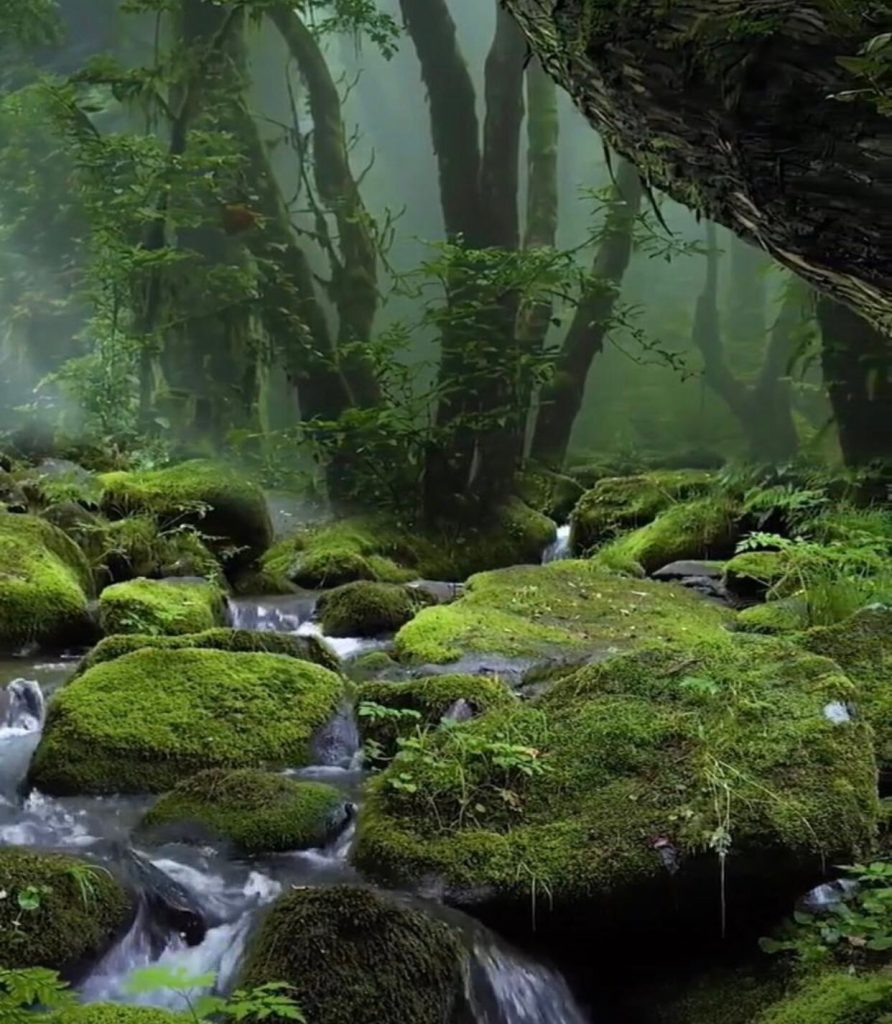
Endemic plant tours in Udzungwa Mountains National Park are guided botanical walks through a forest holding around 2,500 plant species, roughly a quarter of them found only in the Eastern Arc chain. Wild African violets grow here, alongside orchids, endemic trees and medicinal species used in the villages below. Guides are assigned at the Mang’ula gate. Udzungwa sits in south central Tanzania, and its forest has stood in isolation for something like thirty million years.
Most visitors arrive for monkeys and waterfalls, then spend the walk back asking about trees. This is the tour for people who would rather start there.
What Makes the Udzungwa Flora Unusual
Isolation and stability. The Eastern Arc mountains have held forest through climate swings that stripped it from the lowlands around them, and that continuity over millions of years allowed plants to specialise and diverge with nothing arriving to compete.
The results are striking. Across the chain, sixteen plant families occur that are found nowhere else, along with thirty two endemic bryophytes, and the Eastern Arc as a whole is credited with holding thirty to forty percent of Tanzania’s flora and fauna. The Udzungwas are ranked among the most important blocks in that chain, alongside the East Usambaras and Ulugurus.
Wild African Violets in Their Native Forest
The plant on every windowsill in Europe grows wild here. Of the twenty one recognised African violet species, twenty occur only in the Eastern Arc, and two are endemic to the Udzungwas alone.
They are shade loving plants of damp rock and stream banks, and their survival through the Pleistocene owes something to these mountains acting as refuges for lowland species when conditions elsewhere turned against them. Their close relatives in the genus Streptocarpus are also present, and survey work in the Udzungwa Scarp found them sparsely distributed between roughly 350 and 1,100 metres, with African violets themselves uncommon. Seeing one wild is a matter of luck and knowing where to look.
Endemic Trees of the Eastern Arc Forest
Around thirty six tree species here are Eastern Arc endemics or near endemics, and several carry threatened listings. In the lowland forest at the eastern foot of the range, Verdcourt’s Polyalthia, the large leaved Memecylon, Luke’s Cynometra and Heinsen’s Isolona all have very small ranges.
New species are still being described. A member of the Melastomataceae was named from the northern Udzungwa mountains within the last decade, which gives a fair sense of how incomplete the botanical picture remains. On a botanical walking tour here, the trees are the part guides enjoy most, since the identifications are steady and the stories behind them are local.
Medicinal Plants and Village Knowledge
This is the section of a plant walk that holds attention longest, including among visitors who thought they had come for wildlife. Guides trained through the park’s programmes name the species used in the surrounding villages and explain what each one treats.
The knowledge is local rather than academic, passed down among the Hehe and Ndamba communities living along this valley, and it maps onto the forest in a way no field guide does. Cultural visits arranged through the camps near the gate extend the same theme, and agroforestry programmes in the buffer zone are teaching some of these species as crops rather than as forest products.
Orchids, Ferns and the Small Plants Nobody Notices
Look up and you miss most of it. Orchids sit on mossy trunks throughout the submontane band and go entirely unremarked unless a guide stops and points. Ferns crowd every stream bank. Mosses and liverworts cover fallen timber, and thirty two bryophyte species in this chain occur nowhere else.
The long rains from March to May bring the forest floor to life, with fungi appearing across the leaf litter and orchids flowering on bark. That season is difficult for walking and excellent for looking down, which is exactly the trade a plant focused visitor should be willing to make.
How the Flora Changes With Altitude
Walking uphill here is a botanical transect. Miombo woodland at the bottom gives way to closed lowland rainforest with buttressed trunks, then submontane forest where moss and epiphytes take hold, then montane forest, then bamboo glades and finally heather on the summit rock.
Which Trails Work Best for Plant Tours
The short routes near the headquarters do most of what a botanical visitor needs. Prince Bernhard, about a kilometre and under an hour, passes through closed lowland forest at an easy pace that suits stopping constantly. The Sonjo circuit at three kilometres adds miombo, which is a genuinely different flora rather than more of the same.
For the submontane band, the Njokamoni trail at four to five hours or the Hidden Valleys circuit at seventeen kilometres both climb into it. Reaching the montane and bamboo zones means the 38 kilometre Mwanihana trek over two or three days. Very few plant focused visitors go that far, and the lower bands hold plenty.
Conservation and the Udzungwa Botanic Garden
The flora is under real pressure. Some 129 plant species in these mountains carry threatened listings, and clearing for farmland, logging and charcoal all press on the boundary, with lowland patches outside the park worst affected.
Restoration work is now running alongside protection. Reforest Africa, established in 2016, is planting a hundred thousand native trees across a hundred hectares in the Udzungwa Kilombero area, with a nursery and training hub in Kilolo for a further twenty thousand. The organisation is also establishing an Udzungwa Botanic Garden to act as a seed source for restoration and as an education centre teaching agroforestry to surrounding communities.
Why These Mountains Held Their Forest
The explanation biologists reach for is climatic stability. Moist air off the Indian Ocean has fed these slopes for millions of years, and while the surrounding lowlands dried and reforested repeatedly, the Eastern Arc kept its canopy through the swings.
That gave two things at once. Time for new species to evolve in isolation, and shelter for older ones that had once been widespread and then retreated, which is why the flora here mixes recent endemics with ancient relicts. Some Eastern Arc plants show affinities with taxa from West Africa, Madagascar, and even South America and Southeast Asia, which is a strange thing to be told while standing in a Tanzanian forest and is exactly what makes the botany here worth the walk.
Best Time for an Endemic Plant Tour
The wet months for flowering and fungi, the dry months for reaching altitude comfortably. Which matters more depends on whether you want to see plants in flower or simply see a lot of them.
Getting to Udzungwa for a Botanical Walk
Register at the headquarters at Mang’ula on the road between Mikumi town and Ifakara. Dar es Salaam is five to six hours away via Chalinze, Morogoro and the highway through Mikumi National Park, with graded dirt for the final 24 kilometres from Kidatu. Mikumi is around 60 kilometres north and Iringa two to three hours southwest.
Below the mountains, the nature reserve at Magombera protects more than five hundred plant species on a flat five kilometre trail, including several rare and endemic trees, and visits there fold into an arrival or departure day with advance arrangement.
Frequently Asked Questions About Plant Tours in Udzungwa
What does a botanical tour cost?
No separate botanical fee applies. You pay the park conservation fee of 30 US dollars per person for 24 hours for non resident adults, about 35.40 with value added tax, plus a compulsory guide at around 20 dollars per day charged per guide rather than per head. Since plant walks tend to use the short trails, this is one of the cheapest ways to spend a rewarding day in the park.
How many plant species are there?
Around 2,500 recorded in the park, with roughly a quarter of them endemic to the Eastern Arc chain. Across the wider Eastern Arc, sixteen plant families occur nowhere else along with thirty two endemic bryophytes, and 129 plant species in these mountains carry threatened listings.
Can I really see wild African violets?
They grow here, with two species endemic to the Udzungwas, though survey work describes them as uncommon and patchily distributed. Ask your guide, who will know whether any accessible population is currently in a state worth walking to. Treat a sighting as fortunate rather than scheduled.
Do guides know the plants well?
Mostly yes, particularly the medicinal species used locally, since guides come from the villages along this valley and are trained through park programmes. For scientific identification beyond that, bring a regional flora and expect a collaborative effort rather than a definitive answer.
Which trail is best for plants?
The Sonjo circuit and Prince Bernhard together, since they cover miombo and lowland forest in a comfortable half day with time to stop. For the submontane band with its orchids and epiphytes, Njokamoni or Hidden Valleys. The full altitude sequence needs a multi day trek.
Can I collect seeds or specimens?
No. Collecting anything inside a Tanzanian national park is prohibited without research permits arranged well in advance through the relevant authorities. Photograph instead, and ask your guide about the Udzungwa Botanic Garden if propagation and restoration interest you.
Booking Your Udzungwa Trip
The safari companies and tour operators listed on this website put trips like this together for a living and know which camps, guides and routes actually deliver. We are an independent guide to Udzungwa; we do not book or sell tours ourselves.
When you are ready, arrange your safari, tour or holiday with one of the recognised operators listed here. Tell them your dates and what matters most, and a real person, not a form, will handle the itinerary, park bookings and logistics for you.