Hidden-Waterfall Hikes in Udzungwa National Park
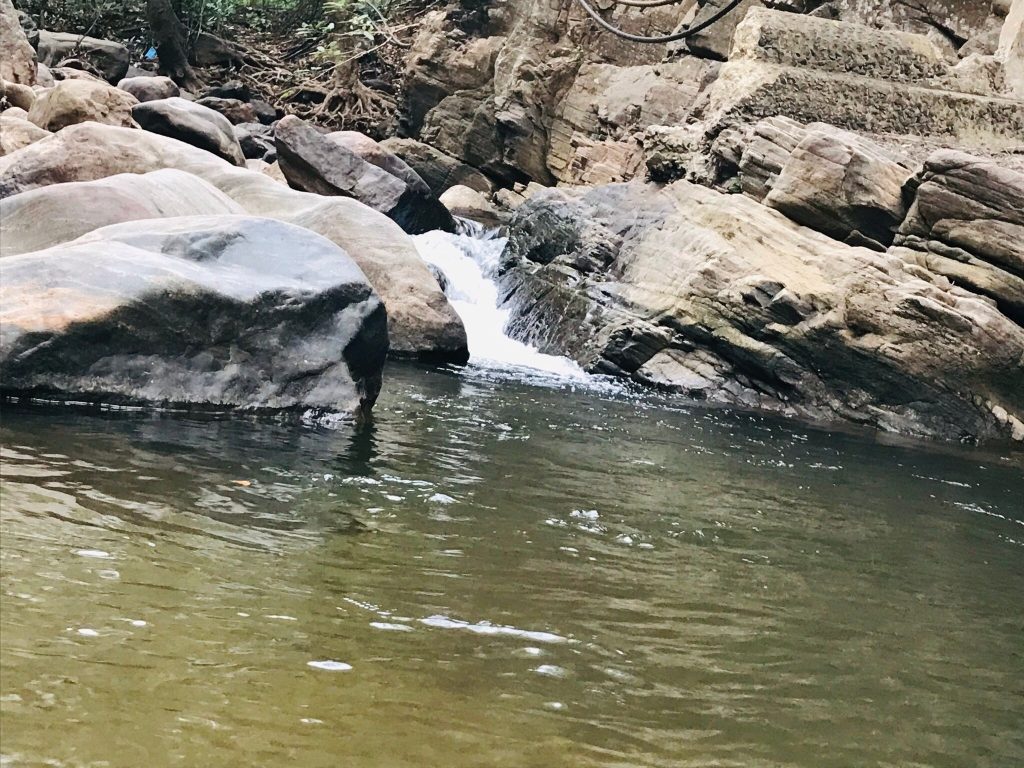
Hidden waterfall hikes in Udzungwa Mountains National Park reach the falls almost nobody visits: Njokamoni at the top of a quiet four to five hour trail, the Moyer falls on the seventeen kilometre Hidden Valleys circuit, and the little walked Msolwa and Mwaya cascades. All are guided walks from the Mang’ula gate. Udzungwa is a roadless rainforest park in south central Tanzania where the famous waterfall takes almost all the traffic.
Sanje deserves its reputation. It also means five other falls in this park go weeks without a visitor, which is the opportunity.
Njokamoni Waterfall on the Park’s Quietest Trail
Six and a half kilometres over four to five hours, similar in length and altitude to the Sanje route but walked by almost nobody. The Njokamoni trail climbs beside its river, crossing several times, to a waterfall with a bathing pool most groups get into before descending.
That absence of traffic pays twice. The swim is usually private, and the endemic Sanje mangabey feeds close to a path nobody uses, which makes this the best day walk in the park for the monkey that stays hidden elsewhere. The stream feeding the fall also supplies the forest camp on the boundary, a detail that makes the geography click once you are back. The route starts at the headquarters and ends on the road below the camp, so arrange collection before setting off.
The Moyer Falls on the Hidden Valleys Circuit
The least visited waterfall in the park, because reaching it means the longest single day walk here: around seventeen kilometres over six to seven hours, climbing above 1,300 metres.
What looks from below like one ridge turns out to be a step into a system of shallow valleys where streams flatten and meander through open grassy ground favoured by elephants. You follow elephant trails down to the Moyer River, cross it several times, and a short detour reaches the falls. Part of the descent passes through ground burnt years ago where canopy has gone and the correct path is genuinely easy to lose. An armed ranger is required.
Msolwa and Mwaya: The Forgotten Cascades
Two smaller falls appear on the park’s list and see almost no traffic at all. Msolwa lies towards the side of the park near the village of the same name, and Mwaya is another modest drop reached on a short walk.
Neither is a destination in the way Sanje is, and neither is worth building a day around. Both are worth asking about at the headquarters if you are staying several nights and have already walked the main routes, because guides enjoy going somewhere they rarely get to take anyone. Expect short walks rather than expeditions, and expect to be the only party there.
The Upper Sonjo Cascade
Not hidden exactly, though the second of the two Sonjo falls sees a fraction of the traffic the first does. Twenty minutes of easy walking reaches the lower cascade, and fifteen minutes more on a steeper path brings you to the upper one.
Most day visitors stop at the first and turn back. Carrying on gets you a quieter fall in deeper shade, and from there you can cross the water and take a short pull to a ridge before descending on a different path that rejoins the road within twenty metres of the first. The whole circuit covers three kilometres with only 120 metres of gain, which makes it the gentlest hidden waterfall option in the park.
Why These Falls Stay Empty
Nothing to do with access. Njokamoni starts at the headquarters and the Sonjo upper fall is fifteen minutes beyond a cascade hundreds of people reach every season.
The reason is name recognition. Sanje appears in every guidebook, is visible from the road on the drive in, and is what visitors ask for by name when they reach the office. Guides respond to demand rather than steering people elsewhere. Since Udzungwa averages very few visitors a day to begin with, a trail carrying a fraction of that traffic is effectively empty year round.
Wildlife on the Less Walked Waterfall Routes
Quiet trails produce sightings busy ones do not, and this is the practical argument for choosing them. Red duiker cross the path and freeze rather than bolting if you stop moving. Squirrels work the trunks, and sengis rustle through leaf litter and vanish before most people register what moved.
Udzungwa red colobus and Angolan black and white colobus feed along all these routes. The mangabey odds on Njokamoni are the best available in a single day. Butterflies gather at damp sand at every river crossing, particularly through the wetter months, and the Eastern Arc bird specialists begin appearing as the Hidden Valleys circuit gains altitude.
Comparing the Hidden Waterfall Hikes
What to Take on a Hidden Waterfall Walk
The same kit as any Udzungwa trail, with one addition. Two litres of water minimum, three for the Hidden Valleys circuit, since there is nowhere safe to refill. Shoes with real grip, because the river crossings on Njokamoni and Moyer are on wet stone. A swimsuit and small towel.
The addition is arrangement. Njokamoni finishes a kilometre below the forest camp rather than looping back, and the Hidden Valleys circuit is usually walked from the camp end to put shade over the ascent, so both need a pickup organised before you set off. Guides sort this at the headquarters if you mention it, and forget to if you do not.
Building a Trip Around the Quiet Falls
Three nights at Mang’ula is what these trails ask for, since each of the good ones fills a day and the conservation permit runs 24 hours from payment rather than to closing time.
A workable order runs like this. Arrive in the afternoon and walk the full Sonjo circuit to both cascades. Give the first full day to Njokamoni, the second to Hidden Valleys if fitness allows or to Sanje if you would rather see the famous one. Ask about Msolwa or Mwaya on the departure morning. That gives four or five separate waterfalls across three days, most of them without another visitor in sight, for two conservation fees and a guide.
Best Time for Hidden Waterfall Hikes
June through October, more firmly than for the short trails, since Njokamoni and Hidden Valleys both involve crossings and sustained climbing that suffer in the rains.
Photographing the Less Visited Falls
Solitude is the practical advantage. At Sanje you work around other groups; at Njokamoni or Moyer you can wait as long as the light takes, go back for a second attempt and set up in the middle of the path without inconveniencing anyone.
These are smaller falls, so the compositions are closer and more intimate than the wide drop at Sanje: water breaking over stepped rock, ferns on wet stone, spray catching a shaft of light through the canopy. Carry a cloth, since humidity fogs lenses the moment you step from forest into open air near water, and a dry bag for everything, because spray reaches further than it looks from the bank.
Getting to the Hidden Waterfall Trailheads
All walks begin with registration at the headquarters at Mang’ula on the road between Mikumi town and Ifakara, where fees are paid and a guide assigned. Njokamoni starts there. Sonjo village lies a short transfer north, and the Hidden Valleys circuit is usually entered from the camp end.
Mang’ula is five to six hours from Dar es Salaam via Chalinze, Morogoro and the highway through Mikumi National Park, and around 60 kilometres from Mikumi itself. Iringa is two to three hours southwest. The TAZARA train stops at Mang’ula station and Ifakara buses pass the gate.
Frequently Asked Questions About Hidden Waterfall Hikes
What do these hikes cost?
The same as any other day walk: a conservation fee of 30 US dollars per person for 24 hours for non resident adults, roughly 35.40 with value added tax, plus a compulsory guide at around 20 dollars per day charged per guide rather than per head. The Hidden Valleys circuit adds an armed ranger at a similar daily rate. Children between five and fifteen pay about 10 dollars.
Which hidden waterfall is the best?
Njokamoni, for most visitors. It combines a genuine waterfall with a bathing pool, near total solitude and the strongest single day chance of seeing the endemic Sanje mangabey. The Moyer falls are more remote and demand a full and difficult day to reach.
Can you swim at these falls?
At Njokamoni, yes, and most groups do after the climb. The Sonjo cascades feed shallow pools better suited to paddling. Guides decide on the day based on water volume, which swings hard between seasons and is not worth arguing about.
Do I need a ranger for these trails?
For the Hidden Valleys circuit, yes, because elephant and buffalo use the grassy clearings above 1,300 metres. Njokamoni, Sonjo and the shorter walks need a guide only. The ranger requirement is a park rule rather than an optional extra.
How do I arrange the less known falls?
Ask at the headquarters when you register and name them. Msolwa and Mwaya rarely appear on any itinerary, so they will not be offered, and guides are usually pleased to be asked. Allow a third or fourth day at Mang’ula if these interest you.
Are these trails harder than Sanje?
Njokamoni is comparable, with the climb spread more evenly and more river crossings. Hidden Valleys is considerably harder at seventeen kilometres and six to seven hours. The Sonjo cascades are far easier than anything on the Sanje route.
Booking Your Udzungwa Trip
The safari companies and tour operators listed on this website put trips like this together for a living and know which camps, guides and routes actually deliver. We are an independent guide to Udzungwa; we do not book or sell tours ourselves.
When you are ready, arrange your safari, tour or holiday with one of the recognised operators listed here. Tell them your dates and what matters most, and a real person, not a form, will handle the itinerary, park bookings and logistics for you.