Butterfly Spotting in Udzungwa National Park
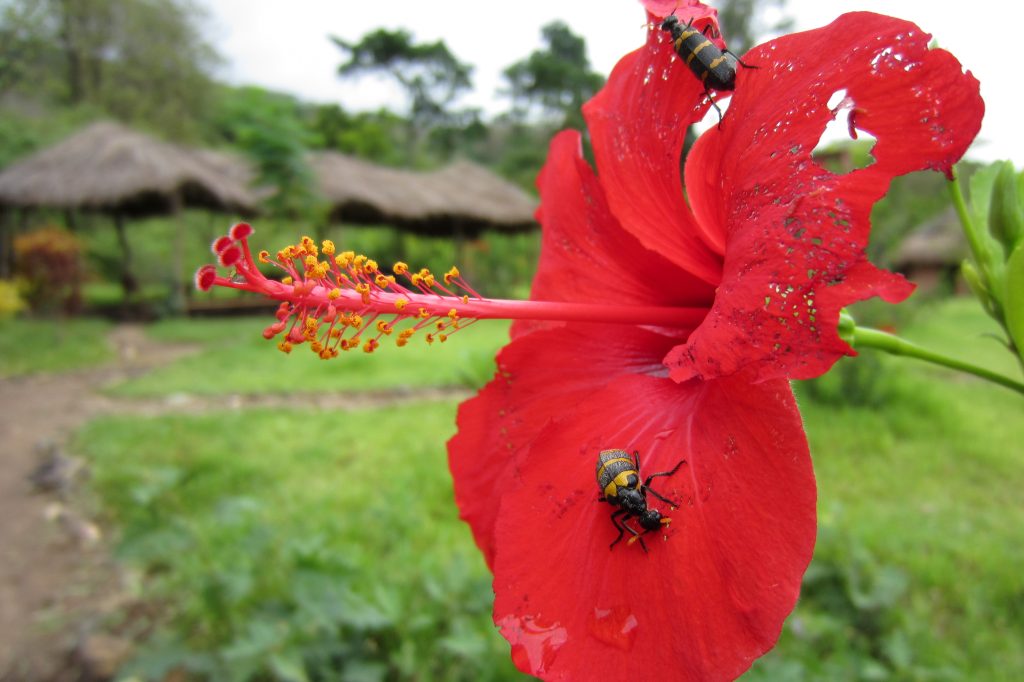
Butterfly spotting in Udzungwa Mountains National Park is best along stream crossings and miombo edges during the wetter months from November to May, when dozens of species gather on damp ground and lift in clouds as walkers pass. A guide is compulsory on every trail, and the park has published its own butterfly checklist. Udzungwa sits in south central Tanzania, where the Eastern Arc mountains hold hundreds of likely endemic invertebrates, many of them still uncatalogued.
This is the wildlife most visitors notice by accident and nobody plans a trip around. It deserves better attention than that.
Why the Udzungwa Butterflies Matter
The Eastern Arc mountains are thought to hold hundreds of endemic invertebrates, and butterflies are one of the groups where enough data exists to see the pattern. Researchers analysing endemic butterflies across the chain describe the Udzungwas as pivotal, with affinities to the coastal fauna as strong as any other Arc block, which is surprising given how far inland this range sits.
The park maintains a butterfly checklist through the ecological monitoring centre at Mang’ula, and it has never been considered complete. Walking a stream margin here in February means looking at insects that may not all have names yet, which is a rarer situation than most travellers realise.
Where to Find Butterflies on the Trails
Three settings produce almost everything. Damp sand and mud at stream crossings, where males gather to take up minerals, is the reliable one. The Njokamoni trail crosses its river several times over four to five hours and is excellent for this.
Sunlit gaps in the canopy are the second, where species that avoid deep shade patrol small territories. The third is miombo woodland at the lower edge of the park, open brachystegia country with grass underfoot and light coming straight through, crossed by the longer Sonjo route and the start of the Mwanihana trek. The gorge sides on the Sanje trail also fill with fireball lilies at the right point in the year, which draws its own visitors.
Butterfly Spotting on the Sanje Waterfall Trail
The park’s most walked route doubles as a decent butterfly walk, particularly on the lower half where the path crosses streams on log bridges before the serious climbing starts. Species here include swallowtails and the large, fast Charaxes group that settles on damp ground and rotting fruit.
The trail runs four to six hours return with about 450 metres of climbing to a waterfall dropping roughly 170 metres. Butterflies thin as you gain height, so the productive stretch is the first ninety minutes. That suits anyone combining insects with the waterfall, since the two interests sit at different points in the same day.
The Best Season for Butterflies
Wet months, without much argument. Numbers build from November as the short rains arrive and peak through the long rains from March to May, when the forest floor sprouts fungi, frogs call from every pool and the whole system runs at full pace.
That is also when the trails are at their most difficult, which is the trade butterfly watchers accept. Fortunately the short walks near the headquarters stay entirely workable in the rain, and those are the trails where the insects are anyway. December through February gives a reasonable compromise: strong butterfly activity, peak birding, and ground that has not yet turned to the state April brings.
Photographing Butterflies in the Forest
Ground level work is where forest photography actually rewards effort here, since canopy animals fight you on light and distance while a butterfly on wet sand does neither.
Mud puddling groups let you get close if you keep low and avoid casting a shadow across them. Light at stream crossings is usually better than under closed canopy, because gaps open above the water. Humidity fogs lenses the moment you move between shade and open air, so carry a cloth. A macro capability helps and is not required; most people get usable frames with whatever they brought for the monkeys.
Butterflies Alongside the Other Forest Wildlife
Nobody books a dedicated butterfly trip here, and nobody needs to. Every walk in the park crosses the habitats where they gather, so the practical move is to tell your guide that insects interest you and let the pace adjust.
The same trails produce Udzungwa red colobus and Angolan black and white colobus overhead, blue monkeys in the understorey and around 400 recorded bird species. Guides who know the plants will connect the two, since food plants determine where particular butterflies occur. Ask what a species is feeding on and the answer usually explains why you found it in that spot rather than fifty metres back.
The Wider Invertebrate Picture
Butterflies are the visible portion of something much larger. Alongside them, millipedes, dragonflies and spiders have all been used to assess Eastern Arc endemism, and the mountains are believed to hold hundreds of endemic invertebrate species overall.
The monitoring centre at Mang’ula publishes checklists for the park’s mammals, birds and butterflies, alongside amphibians and reptiles from the Udzungwa Scarp. Camera trapping and standardised survey work have been running there since the mid two thousands. Much of the range has never been surveyed on foot at all, which is why new species keep appearing from these forests.
Which Trails Suit Butterfly Watching
Groups Worth Learning to Recognise
Nobody expects a visitor to name species, and a handful of groups are worth knowing because they behave differently and turn up constantly.
Charaxes are the big, fast, powerful ones that settle on damp ground and rotting fruit rather than flowers, and they will sit tight if you move slowly. Swallowtails are the obvious showpieces along stream margins. Small brown satyrs work the shaded understorey and are easy to dismiss, though they include some of the more range restricted species in the chain. Whites and yellows gather in the largest mud puddling aggregations. Ask your guide what a species is feeding on rather than what it is called; the food plant answer is usually more interesting and more useful.
Best Time of Day for Butterfly Spotting
Mid morning onward, which is the opposite of primate and bird timing. Butterflies need warmth and sun on the ground, so they are largely absent at the eight o’clock start guides recommend for monkeys and become active as the day heats up.
Butterflies Outside the Park Boundary
The wetlands and farmland edges along the Mang’ula road hold a different set again, in open light rather than forest shade, and cost nothing since no park fee applies there. Sugar cane and rice country brings its own species, and the transition strip where cultivation meets forest is often busier than either side of it.
Below the mountains, the lowland forest at Magombera protects more than five hundred plant species on a flat five kilometre trail, which supports a correspondingly rich invertebrate community. It is level ground in shade, which makes it comfortable in the wet months when the mountain trails are hard work, and visits need arranging in advance.
Getting to Udzungwa for a Butterfly Walk
Register at the headquarters at Mang’ula on the road between Mikumi town and Ifakara, where fees are paid and a guide assigned. Dar es Salaam is five to six hours away via Chalinze, Morogoro and the highway through Mikumi National Park, with graded dirt for the last 24 kilometres from Kidatu. Mikumi is around 60 kilometres north and Iringa two to three hours southwest.
Since the butterfly trails are the short ones close to the gate, this is a park you can visit for insects without committing to a long climb, which is worth knowing if the walking itself does not appeal.
Frequently Asked Questions About Butterflies in Udzungwa
What does a butterfly walk cost?
There is no separate charge. You pay the park conservation fee of 30 US dollars per person for 24 hours for non resident adults, roughly 35.40 with value added tax, plus a compulsory guide at around 20 dollars per day charged per guide rather than per head. Children between five and fifteen pay about 10 dollars, and the short trails where butterflies gather are covered by the same permit as anything else.
How many butterfly species live in the park?
The park publishes a checklist through its monitoring centre, and it has never been treated as complete. Dozens of species are seen along stream margins in the wet months, and the Eastern Arc mountains as a whole are believed to hold hundreds of endemic invertebrates. New species continue to be described from these forests.
When is the best month for butterflies?
The wet months, with numbers building from November and peaking between March and May. December through February is the practical compromise, offering strong activity alongside better walking conditions and the best birding of the year.
Do I need a specialist guide?
Not for general watching, since every trail crosses the right habitat and any guide will slow the pace if you ask. For identification beyond the obvious groups, mention your interest at the headquarters and ask whether a guide with entomological knowledge is available, or bring a regional field guide of your own.
Can I combine butterflies with a waterfall hike?
Yes, and it works well. The productive butterfly stretch on the Sanje trail is the first ninety minutes before the climb steepens, so the insects come early and the waterfall later in the same walk. Njokamoni does the same with more river crossings and fewer people.
Are there dangerous insects on the trails?
Nothing unusual for a tropical forest. Mosquitoes at dusk are the real concern, since the Kilombero Valley is a malaria area, so repellent and long sleeves matter. Safari ants cross paths in columns and are best stepped over rather than stood in, which your guide will point out before you find out.
Booking Your Udzungwa Trip
The safari companies and tour operators listed on this website put trips like this together for a living and know which camps, guides and routes actually deliver. We are an independent guide to Udzungwa; we do not book or sell tours ourselves.
When you are ready, arrange your safari, tour or holiday with one of the recognised operators listed here. Tell them your dates and what matters most, and a real person, not a form, will handle the itinerary, park bookings and logistics for you.