What Is the Weather Like in Udzungwa?
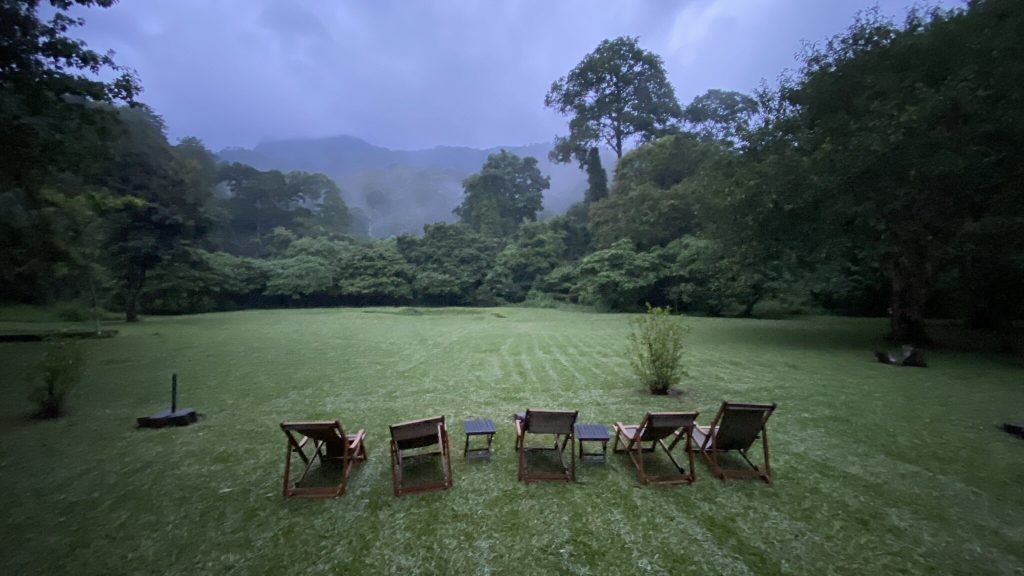
Udzungwa Mountains National Park has a warm, humid climate with most rain falling between November and May, daytime temperatures mostly between twenty one and twenty seven degrees, and nights at altitude dropping towards nine degrees in the cooler months. The southeastern slopes take up to two or three thousand millimetres of rain a year while the northwestern side sits in a rain shadow. Udzungwa is a rainforest park in south central Tanzania where all travel is on foot, so weather affects the walking more than anything else.
The short version for anyone planning a Udzungwa hiking safari: it is never truly dry up there, and it is colder at night than a rainforest has any right to be.
The Rainfall Pattern Across the Udzungwa Escarpment
Rain arrives from the Indian Ocean, which sits close enough east of here that moist air runs inland and rises against the escarpment. It cools, drops its water, and the result is one of the wettest corners of Tanzania on the windward side.
Figures vary by aspect and elevation. The southeastern slopes take somewhere between two thousand and three thousand millimetres annually. The northwestern side, sheltered behind the range, receives closer to six hundred. That single fact explains the whole park: continuous forest on one flank, drier woodland on the other, and rivers running off the mountain year round.
Temperatures in the Kilombero Valley and on the Plateau
Altitude does most of the work here. The park runs from around 250 metres at its lowest to roughly 2,576 at Luhombero Peak, and the temperature spread across that range is considerable.
Down in the valley, average daytime temperatures sit between twenty one and twenty seven degrees, with the maximum reaching about thirty one in October. Up in the mountains between June and September, days settle around twenty one and nights fall towards nine. Between March and May the pattern shifts again, with nights near thirteen and days around twenty two.
Walkers notice this as a gradient rather than a number. You start the Mwanihana climb sweating in humidity and finish it wanting a fleece.
The Dry Season Weather from June to October
Rainfall drops sharply and this is the cool period in the mountains, with little rain, days near twenty one degrees and nights around nine. Trails firm up, the root covered pitches stop being hazardous, and the grassy plateau sections drain enough for multi day treks to run properly.
Clear mornings become likely rather than lucky, which matters for the viewpoints over the Kilombero Valley. October is the hottest month of the year in the valley itself, so the tail end of this window is warm walking at low altitude even while the plateau stays cool.
Do not read dry season as guaranteed sunshine. The forest generates its own moisture and mist still sits on the upper slopes for much of the year.
Short Rains and Rising Heat from October to December
Precipitation climbs again from around October and this is the hottest stretch, with daytime temperatures near twenty five degrees in the valley. Rain tends to come as afternoon storms rather than continuous drizzle, so morning walks usually stay dry.
The forest responds quickly. Butterflies build in numbers, migrant birds arrive, and the ground vegetation thickens. Trails near the headquarters shrug this off entirely. The high plateau suffers more, since cloud sits lower and the ridge views that justify two days of climbing often fail to appear.
January and February Conditions in the Forest
A gap opens between the short and long rains, with temperatures easing slightly to around twenty three degrees by day and rainfall becoming unpredictable rather than steady. Some years this stretch is close to dry. Others it is not, and nobody forecasts it reliably.
Humidity stays high throughout. For walkers this is the muggiest part of the year at low altitude, and the reason quick drying clothing beats cotton on every trail. For birders it is the best period of all, with migrants nesting inside the park.
The Long Rains from March to May
April is the wettest month and the bulk of the annual rainfall lands in this window. Nights cool to around thirteen degrees and days sit near twenty two, which sounds comfortable and feels different when everything you own is damp.
Waterfalls run at full volume. Fungi appear across the forest floor, frogs call from every pool, and orchids flower on mossy bark. The forest is at its most alive and the walking at its worst, with root covered sections turning genuinely slippery, stream crossings rising and a number of trails becoming impractical. Several operators suspend multi day treks entirely through these months.
Why the Forest Stays Green All Year
Udzungwa does not brown off in the dry season the way savannah parks do. Constant Indian Ocean moisture keeps the climate warm, humid and evergreen even in the driest months, and the canopy holds water in the system rather than letting it run straight off.
That is why Sanje Falls, at roughly 170 metres across three tiers, keeps flowing all year instead of collapsing to a trickle between June and October. It is also why the range functions as a water tower for a large part of southern Tanzania, feeding the Kilombero and Rufiji systems, irrigating the valley below and driving hydropower downstream at Kidatu.
Humidity and What It Does to Walkers
The number nobody quotes is humidity, and it is the one that decides how a walk feels. Under closed canopy at low altitude the air barely moves, and sweat does not evaporate so much as accumulate. Visitors arriving from a dry northern circuit safari are routinely caught out by this on the first climb.
Practically, it means cotton is the wrong fabric, two litres of water is a minimum rather than a comfort, and an eight o’clock start beats a ten o’clock one by more than the two hours suggest. Higher up the air thins and cools and the whole business becomes pleasant, which is part of why the plateau treks are so well liked even with the extra effort.
How the Weather Affects Walking Conditions
Month by Month Weather Summary for Udzungwa
Getting to Udzungwa in Different Weather
The road holds up better than the trails. Tarmac runs as far as Kidatu and the last 24 kilometres to Mang’ula is graded dirt, which is straightforward in the dry months and slower after heavy rain without closing. Dar es Salaam is five to six hours away via Chalinze, Morogoro and the highway through Mikumi National Park, and Mikumi itself around 60 kilometres north.
Between March and May allow extra time on that final stretch and travel earlier in the day, since afternoon storms are the ones that turn a graded surface into a slow one. The TAZARA train and Ifakara buses run year round.
Frequently Asked Questions About Udzungwa’s Weather
Do park fees change with the season?
No. TANAPA conservation fees stay flat all year, at 30 US dollars per person per 24 hours for non resident adults, roughly 35.40 with value added tax. Children between five and fifteen pay about 10 dollars. What moves with the season is accommodation, with the forest camp on the boundary, which starts from around 60 dollars per person per night, charging more in the dry months than the wet ones.
When is the wettest time in Udzungwa?
April, at the peak of the long rains that run March to May. Most of the annual total falls between November and May, and the southeastern slopes take up to two or three thousand millimetres a year while the northwestern side receives closer to six hundred.
How cold does it get at night?
Around nine degrees at altitude between June and September, and near thirteen in the March to May period. The Kilombero Valley stays considerably warmer. Anyone camping on the plateau needs a proper sleeping bag rather than a liner, which is the single most common packing mistake here.
Does it rain in the dry season?
Sometimes, yes. Mist and light rain occur at higher elevations even during the June to October window because the forest produces its own moisture. Rainfall is far lower than in the wet months and trails stay firm, but a light shell belongs in your daypack regardless.
What should I wear for the weather here?
Quick drying layers rather than cotton, since humidity in the lower forest soaks everything within an hour. Add a rain shell in any season, a warm layer for altitude, and long trousers and sleeves for insects and scratches. Footwear with real grip matters most between November and May.
Is the weather different from Mikumi?
Markedly. Mikumi is open savannah on a floodplain, hot and seasonal, drying out visibly between June and October. Udzungwa stays green and humid year round because of the moisture the escarpment intercepts. Two parks ninety minutes apart with genuinely different climates, which is part of why the pairing works so well.
Booking Your Udzungwa Trip
The safari companies and tour operators listed on this website put trips like this together for a living and know which camps, guides and routes actually deliver. We are an independent guide to Udzungwa; we do not book or sell tours ourselves.
When you are ready, arrange your safari, tour or holiday with one of the recognised operators listed here. Tell them your dates and what matters most, and a real person, not a form, will handle the itinerary, park bookings and logistics for you.