How Does Udzungwa Compare to Other Tanzanian Parks?
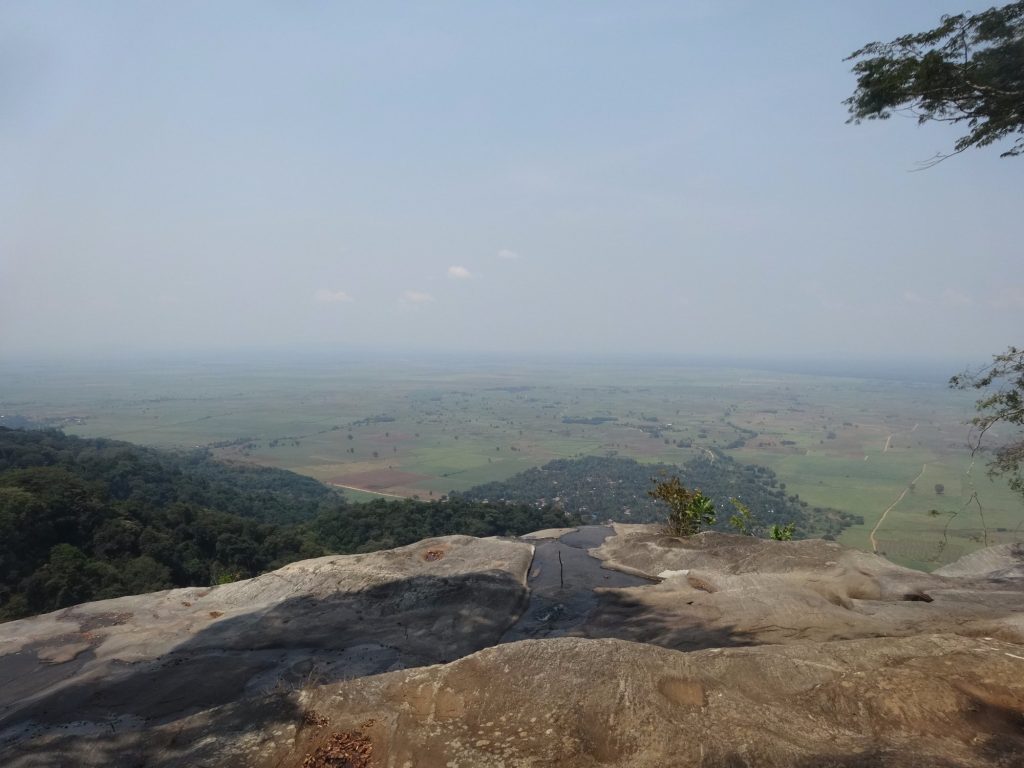
Udzungwa Mountains National Park differs from every other Tanzanian park in one decisive way: it has no interior roads, so there are no game drives and everything happens on foot. It trades big game viewing for rainforest hiking, waterfalls and endemic primates, at entry fees well below the northern circuit rates. Udzungwa covers 1,990 square kilometres in south central Tanzania and is the largest forest block in the Eastern Arc chain.
Anyone deciding between this park and a savannah reserve is not really comparing like with like. It is closer to choosing between a walking holiday and a driving one.
Udzungwa Compared with Mikumi National Park
These two are the natural pairing, sitting about 60 kilometres and ninety minutes apart. Mikumi covers roughly 3,230 square kilometres, was gazetted in 1964, and is Tanzania’s fourth largest park, built around the open Mkata floodplain where zebra, giraffe, buffalo, elephant and lion are seen from a vehicle.
Udzungwa is smaller, entirely forested and walked. A Mikumi and Udzungwa safari works precisely because the two have nothing in common. Visitors who do both usually say the contrast made the trip, and that five days in either alone would have been the weaker choice. They share the same TANAPA fee band, so neither costs more to enter than the other.
Udzungwa Compared with Serengeti and the Northern Circuit
Different country, effectively. Serengeti and Ngorongoro deliver open plains, the migration and predator viewing at a scale nothing here approaches. They also carry the highest fees in the network and the heaviest vehicle traffic.
Udzungwa sits at the opposite end on every axis. Entry costs a fraction of Serengeti’s, visitor numbers run to an average of under thirty a day across the whole park, and the wildlife is measured in monkeys thirty metres up rather than lions across grassland. Getting between the two circuits means a domestic flight and several days, so they rarely appear on the same itinerary.
Udzungwa Compared with Kilimanjaro for Trekking
Both are walking parks, which makes this the most useful comparison for hikers. Kilimanjaro is a managed climb with huts, established campsites, a large porter industry and queues on the popular routes, and it charges the highest trekking fees in Tanzania.
The Luhombero trekking expedition here reaches roughly 2,576 metres over five to seven days, a full kilometre lower than Kilimanjaro’s summit and considerably more remote. No huts, no established sites on much of the route, no evacuation road and almost nobody else. Trekkers who have done both often describe Udzungwa as the quieter and more affecting of the two, which says nothing about altitude and everything about setting.
Udzungwa Compared with Nyerere and Ruaha
Both are southern circuit parks and both dwarf Udzungwa in area. Nyerere runs to tens of thousands of square kilometres with boat safaris on the Rufiji and walking safaris under armed escort. Ruaha, west beyond Iringa, is arid, remote and strong for predators and large elephant herds.
They fit together well on a longer trip. A common shape puts Mikumi first, then Udzungwa for two nights of hiking, then Nyerere or Ruaha for classic game viewing. Udzungwa is the short, cheap, high contrast element in that sequence rather than the centrepiece.
Udzungwa Compared with Gombe and Mahale for Primates
Gombe and Mahale are the chimpanzee parks, on Lake Tanganyika in the far west, reached by flight and boat, and both carry premium entry fees well above Udzungwa’s. Tracking there is a permitted, structured activity aimed at a single habituated species.
Udzungwa works differently. Twelve primate species live here, including six galagos, and two of them exist nowhere else on earth: the Udzungwa red colobus and the Sanje mangabey. There is no special permit and no guaranteed sighting. You walk, you look up, and most visitors see two or three species in a half day. It is cheaper, less certain and considerably less organised.
Fees and Access Compared Across Tanzanian Parks
Access is where Udzungwa is unusually easy for its remoteness. Buses to Ifakara pass the gate and the TAZARA train stops at Mang’ula station, so it is one of the few Tanzanian parks reachable without hiring a vehicle.
Biodiversity Compared with the Rest of Tanzania
On species density Udzungwa outperforms parks many times its size. It is described as holding the second highest biodiversity of any national park in Africa, with around 400 bird species, some 2,500 plants of which roughly a quarter are Eastern Arc endemics, and twenty vertebrate species restricted to this mountain block alone.
Estimates suggest the park holds between thirty and forty percent of Tanzania’s plant and animal species inside 1,990 square kilometres. Serengeti has more animals; Udzungwa has more kinds of them, and far more that occur nowhere else.
Crowds and Atmosphere Compared
This is where the difference is starkest. The northern circuit parks handle heavy vehicle traffic at sightings in high season. Udzungwa averages very few visitors a day, and even the Sanje trail in August means passing a handful of groups rather than joining a queue.
The Njokamoni and Hidden Valleys routes stay close to empty in any month. What limits a visit here is not crowding on the trails but the small supply of beds near the gate, which fills between June and October while people assume a quiet park must have spare rooms.
What Udzungwa Does Better Than Anywhere Else
Three things, and they are worth stating plainly because the comparisons above are otherwise a long list of what this park lacks.
Endemic primates first: two species that exist on this mountain block and nowhere on earth besides, which no other Tanzanian park can claim. Second, waterfall hiking with permitted swimming, at a scale the rest of the network has no answer to, since Sanje is the tallest fall in the park system and has pools you are allowed to get into. Third, solitude on foot. Walking four hours in a national park and passing nobody is not an experience the northern circuit sells, and here it is simply what a Tuesday looks like.
Best Time to Visit Compared with Other Parks
The dry season suits Udzungwa for the same reason it suits the savannah parks, though for different causes. Elsewhere the grass shortens and animals concentrate at water. Here the trails firm up and the higher routes become passable.
Who Each Park Suits
Worth being blunt about this, because the mismatch between expectation and park is what produces disappointed visitors rather than any failing of the parks themselves.
First time safari travellers wanting lions and plains belong on the northern circuit or at Nyerere and Ruaha. Families with young children do better at Mikumi, where the wildlife arrives at the vehicle. Hikers, birders, botanists and anyone who has already done a savannah safari and wants something else entirely belong here. Photographers split: savannah suits long lenses and open light, while this forest suits close work, patience and a tolerance for shooting at high sensitivity under a dark canopy.
Getting to Udzungwa Within a Wider Tanzanian Trip
The headquarters at Mang’ula sit on the road between Mikumi town and Ifakara, five to six hours from Dar es Salaam via Chalinze, Morogoro and the highway through Mikumi National Park. From Mikumi it is around 60 kilometres. Iringa is two to three hours southwest, on the way to Ruaha.
That position makes the park a natural stop between the coast and the southern highlands rather than a destination requiring its own trip. Kilombero airstrip sits 24 kilometres from the headquarters and Mikumi has scheduled flights for anyone shortening the drive.
Frequently Asked Questions Comparing Udzungwa
Is Udzungwa cheaper than other Tanzanian parks?
Considerably. It sits in the lower TANAPA fee band at 30 US dollars per non resident adult per 24 hours, about 35.40 with value added tax, against roughly double that for Tarangire or Lake Manyara and several times more for Serengeti, Kilimanjaro or Nyerere. A guide costs around 20 dollars per day. Accommodation is also cheaper, starting from about 60 dollars per person per night at the camp on the boundary.
Should I choose Udzungwa or Mikumi?
Neither, ideally. They sit ninety minutes apart, share a fee band and offer completely different things, so two or three nights at Mikumi plus two at Mang’ula is the sensible answer. If you must pick one, choose Mikumi for big game and Udzungwa for walking, forest and endemic primates.
Can I see the Big Five at Udzungwa?
No. Elephant, buffalo and leopard are present but move through dense forest, so elephant and buffalo are usually read as tracks and leopard is almost never seen. There are no lions or rhino. This is a forest park, and anyone whose priority is big game should build the trip around Mikumi, Nyerere or Ruaha.
How does the trekking compare with Kilimanjaro?
Lower and far less managed. Luhombero reaches around 2,576 metres over five to seven days with wild camping, no huts and no rescue road, against Kilimanjaro’s structured routes and established sites. Udzungwa demands more self sufficiency even though the summit is a kilometre lower, and it costs considerably less.
Is Udzungwa worth visiting if I have done the northern circuit?
For most people, yes, precisely because it is nothing like it. Forest walking, waterfalls with swimming pools and two primates found nowhere else make a genuine change from game drives. Visitors expecting more of the same, only cheaper, tend to be the ones who leave unimpressed.
Which Tanzanian park has the most endemic species?
Udzungwa, comfortably, among the national parks. Twenty vertebrate species are restricted to this mountain block alone, alongside roughly a quarter of its 2,500 plant species being Eastern Arc endemics. The range is sometimes called the Galapagos of Africa for that reason.
Booking Your Udzungwa Trip
The safari companies and tour operators listed on this website put trips like this together for a living and know which camps, guides and routes actually deliver. We are an independent guide to Udzungwa; we do not book or sell tours ourselves.
When you are ready, arrange your safari, tour or holiday with one of the recognised operators listed here. Tell them your dates and what matters most, and a real person, not a form, will handle the itinerary, park bookings and logistics for you.