Swim at the Falls Pool in Udzungwa National Park
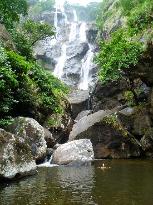
Swimming is permitted at several waterfall pools in Udzungwa Mountains National Park, chiefly beneath the upper tier of the Sanje Waterfalls and at the base of its largest drop, reached on a guided hike of four to six hours from the Mang’ula gate. The Njokamoni trail has a bathing pool of its own. Udzungwa sits in south central Tanzania, and this is one of very few Tanzanian parks where getting into the water is allowed at all.
In most of this country a national park means staying in the vehicle. Here it means climbing for two hours and then getting in.
The Upper Sanje Pool at the Top of the Falls
The main swimming spot sits below the uppermost of the three Sanje tiers, a drop of about forty metres falling into a pool ringed by thick forest. Reaching it means the full Sanje Waterfall hike, four to six hours return with roughly 450 metres of climbing, and the steepest section of the whole route comes immediately before it.
The water is cold. That is the point after two hours of climbing in humidity, and most groups spend twenty or thirty minutes here before turning back. There is rock around the edge to sit on and dry off, and the setting is enclosed enough that you hear nothing but water.
The Warmer Pool at the Base of the Lower Fall
The largest of the three drops sits below the main path, and a twenty minute detour brings you to its foot. The pool here is warmer and larger than the one at the top, which makes it the better swim on a hot day.
It is also where people jump in from the rocks, when levels allow. Standing at the base looking straight up at the full height of water coming off the escarpment is the sight most visitors take away from the park, so the detour earns its hour twice over. Take it on the way down from the old Sanje hotel ruins if the group still has energy, or on the way up if you would rather swim early.
The Njokamoni Pool on the Quiet Trail
Four to five hours return over roughly six and a half kilometres, the Njokamoni trail ends at a smaller waterfall with a pool that most groups get into before heading down. Almost nobody walks this route, so the swim is usually a private one.
The stream feeding it also supplies water to the forest camp on the park boundary, a small detail that makes the geography click once you are back. Because the trail sees so little foot traffic, this is also the best day walk in the park for the endemic Sanje mangabey, which makes it a strong choice for anyone who wants both a swim and a serious chance at the harder primate.
Shallow Pools at Sonjo and Prince Bernhard
The two short waterfall walks have water at the end, though neither is deep enough for proper swimming. The Sonjo circuit covers three kilometres with only 120 metres of gain and reaches two cascades feeding shallow pools, ideal for paddling and cooling off.
Prince Bernhard Falls, about a kilometre from the headquarters, drops into a small shaded pool where wading rather than swimming is the norm. Both suit families and anyone who wants water without a long climb, and both are covered by the same 24 hour permit as the bigger trails.
Water Levels and When Swimming Is Called Off
Volume swings hard through the year. A gentle pool in September becomes a churning one in April, when the long rains push the falls to full flow, and guides will refuse swimming outright when the current is unsafe.
That judgement is not open to negotiation and should not be. There is no lifeguard, no rope and no road out of the interior of this park. Ask about conditions at the headquarters when you register rather than assuming the swim is guaranteed, since the answer changes week to week between March and May.
What to Bring for Swimming at the Falls
Safety at the Udzungwa Waterfall Pools
Take the guide’s lead on where to enter and how far to go. Rock underfoot is slippery, depth varies across a pool, and current near the base of a fall is stronger than the surface suggests. Jumping from rocks depends entirely on the water level on the day, so ask rather than watching someone else and following.
Keep an eye on bags. Yellow baboons around the forest edge have long since worked out what a rucksack contains, and an unattended lunch at a pool rarely stays unattended. Nobody should swim alone here, which is academic anyway since a guide accompanies every walk in the park.
Combining a Swim With a Longer Trekking Day
The two day version of the Sanje hike covers about nine kilometres split across two days with a campsite under the canopy above the falls. It exists for people who want the pools without a queue and the forest at first light, before any day group arrives.
On multi day treks the arithmetic changes. The Mwanihana route crosses streams throughout its 38 kilometres, and washing in a mountain stream at the end of a long day is part of the experience rather than a planned swim. The camp team from the lodge at the gate handles tents, food and equipment on both.
Why Swimming Is Allowed Here and Not Elsewhere
The rule surprises people who have travelled elsewhere in Tanzania, where leaving the vehicle is often forbidden outright. Three things make it workable in this park.
There are no crocodiles or hippos in cold, fast mountain pools well above the floodplain. There are no lions anywhere in the park, and the elephant and buffalo that do live here keep to the plateau and the deeper forest rather than the waterfall trails. And every visitor is walking with a licensed guide in any case, so nobody is at a pool unaccompanied. Set against that, the swim is one of the genuine pleasures of visiting, and it is worth not spending the privilege by ignoring a guide who says the water is running too hard.
Best Time of Year to Swim in Udzungwa
June through October gives the most comfortable swimming, with manageable flow and firm trails to reach the pools. Volume is lower than in the wet months but never disappears, since the forest generates its own moisture.
Swimming as Part of a Longer Day
Plan the swim into the timing rather than treating it as a stop. Twenty or thirty minutes at the upper pool is normal, and adding the lower fall detour pushes a Sanje day towards six hours in total.
Eat afterwards rather than before. Lodges near the gate prepare picnic lunches if asked the night before, and the rocks beside either pool make a better lunch stop than anywhere else on the trail. Then allow for the fact that a cold swim halfway through a climb takes the edge off tired legs but does nothing for wet feet on the descent, which is exactly why spare socks in a dry bag earn their place in the pack.
Getting to the Waterfall Pools
Register at the headquarters at Mang’ula on the road between Mikumi town and Ifakara, pay the conservation fee and collect a guide. The Sanje trailhead lies a few kilometres north near Sanje village, reached by tuk tuk. Njokamoni starts at the headquarters and finishes on the road below the forest camp, so arrange the pickup before setting off.
Mang’ula is five to six hours from Dar es Salaam via Chalinze, Morogoro and the highway through Mikumi National Park, and about 60 kilometres from Mikumi itself. The TAZARA train stops at Mang’ula station and Ifakara buses pass the gate.
Frequently Asked Questions About Swimming in Udzungwa
Is there a charge for swimming at the falls?
No separate fee applies. You pay the standard park conservation fee of 30 US dollars per person for 24 hours for non resident adults, roughly 35.40 with value added tax, plus a compulsory guide at around 20 dollars per day charged per guide rather than per head. Children between five and fifteen pay about 10 dollars.
Where exactly can you swim?
The pool below the upper Sanje tier is the main spot, with a warmer and larger pool at the base of the lower fall reached by a twenty minute detour. The Njokamoni trail has its own pool at the top. Sonjo and Prince Bernhard have shallow pools suited to paddling rather than swimming.
Is the water clean?
It is mountain stream water coming straight off forested slopes with no settlement above, which is about as clean as running water gets in this part of the world. It is not treated drinking water, so do not fill bottles from it without treating.
How cold is it?
Cold enough to take your breath at the upper pool, which sits in permanent forest shade. The lower fall pool is noticeably warmer. After a two hour climb in humidity most people find the temperature exactly right, and the ones who hesitate usually get in anyway.
Can children swim at the falls?
At the shallow pools on the Sonjo and Prince Bernhard trails, comfortably. At Sanje the practical question is whether the child can manage the walk, since the shorter lower falls route at two to three hours suits ages around eight upward and reaches the warmer pool.
Are there crocodiles or hippos in the pools?
No. These are cold, fast flowing mountain pools well above the floodplain, and neither species occurs in them. The hazards here are current, slippery rock and cold, not wildlife.
Booking Your Udzungwa Trip
The safari companies and tour operators listed on this website put trips like this together for a living and know which camps, guides and routes actually deliver. We are an independent guide to Udzungwa; we do not book or sell tours ourselves.
When you are ready, arrange your safari, tour or holiday with one of the recognised operators listed here. Tell them your dates and what matters most, and a real person, not a form, will handle the itinerary, park bookings and logistics for you.