Trail Picnics in Udzungwa National Park
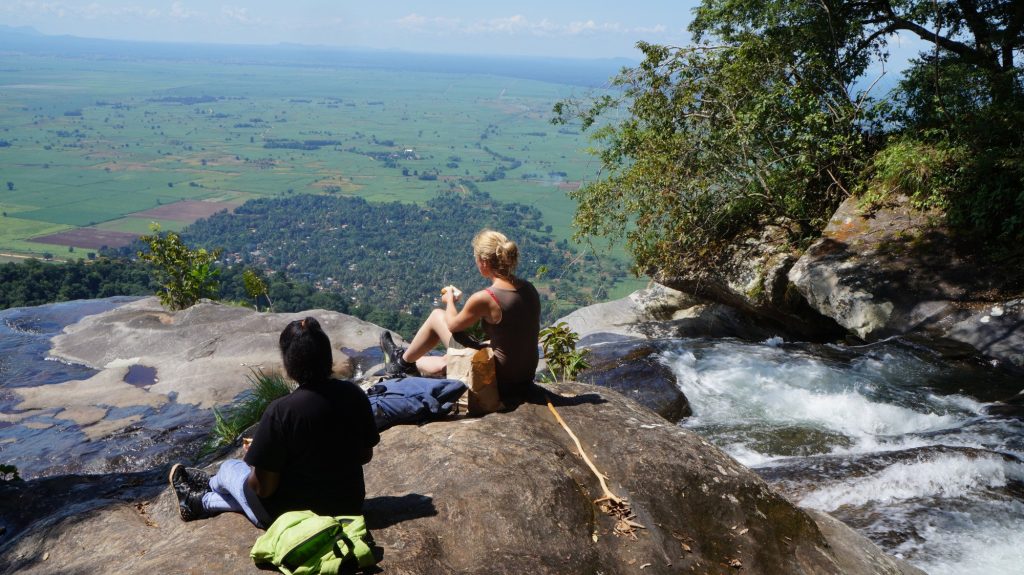
Trail picnics are part of most full day walks in Udzungwa Mountains National Park, with lodges near the Mang’ula gate preparing packed lunches if asked the night before. The rocks beside the Sanje plunge pools are the classic spot, and baboons at the forest edge are the reason nothing is left unattended. Udzungwa sits in south central Tanzania, where trails run four to seven hours and there is nowhere to buy food once you set off.
Small subject, and the difference between eating properly at the waterfall and arriving back at three in the afternoon hungry and irritable.
Arranging a Packed Lunch Before You Walk
Ask the night before rather than on the morning. The camp on the park boundary, the lodges along the road and the guesthouses in Mang’ula will all prepare something, and the kitchens are small enough that notice matters.
On a Sanje Waterfall hike of four to six hours, or the Njokamoni or Hidden Valleys routes, this is the difference between a proper stop and a handful of biscuits. On multi day treks the arrangement is different: a cook travels with the group and handles all meals, so lunch appears wherever the crew decides there is water and shade.
The Best Places to Stop and Eat
The rocks around the upper Sanje pool are the obvious choice, at the top of the climb with somewhere to sit, water to swim in and the noise of the falls close by. Most groups spend twenty or thirty minutes there anyway.
The pool at the base of the lower fall, reached on a twenty minute detour, is warmer and larger and makes an equally good lunch stop with the full height of water above you. On the Njokamoni trail the pool at the top serves the same purpose in near total solitude. The rock shelf partway up Sanje, where the Kilombero Valley opens below, is the best view to eat in front of, though there is less shade.
Eating on the Longer Circuits
The Hidden Valleys circuit runs around seventeen kilometres over six to seven hours, which makes lunch a necessity rather than a pleasantry. The crossings of the Moyer River give the natural stopping points, with water, shade and flat stone.
Timing matters more on this route than on the shorter ones. Eat before the climb rather than after it, since the ascent from the river back towards the escarpment is the hardest section of the day and doing it on an empty stomach makes for a slow afternoon. Your guide will suggest the spot, and their reasoning is usually about the return leg rather than the view.
Baboons, Monkeys and Unattended Food
This is the one real rule. Yellow baboons occupy the transition zone where farmland, forest and road meet, and they associate people with food. A bag left on a rock while you swim or take a photograph is an opportunity rather than a possession.
Keep packs closed and within reach, and do not feed anything under any circumstances, no matter how entertaining it seems at the time. Feeding creates the habituation that turns a wild animal into a nuisance and eventually a problem, and the cost of that falls on the villages and the next visitors rather than on you. Blue monkeys at the forest edge and around the camp grounds behave similarly given the chance.
Water on the Trail
There is nowhere safe to refill on any trail in the park. Two litres per person is a minimum for a half day walk and three is better for the full Sanje circuit or the Hidden Valleys route, particularly in October when maximum temperatures reach around thirty one degrees.
Stream water is not for drinking untreated, no matter how clear it looks. On multi day treks the crew draws and treats water at camp, which is the normal arrangement. Rehydration salts in the daypack are a small item that repays their weight on a hot descent.
Leaving Nothing Behind
Everything you carry in comes out with you, including fruit peel and eggshell, which take far longer to break down than people assume and teach wildlife to associate paths with food in the meantime.
The park discourages single use plastics, so a reusable bottle and a container rather than cling film is the sensible option. Guides carry out what the group produces if asked, and are quietly unimpressed by having to. This forest is walked by very few people, which means the small amount of litter that does appear stands out considerably.
Picnics on the Short Walks
The trails near the headquarters do not need a packed lunch, and this is worth saying since visitors sometimes over prepare. Prince Bernhard runs about a kilometre and takes thirty to forty five minutes return. The Sonjo circuit covers three kilometres in one to two hours.
Water and something small in a pocket covers both. The advantage of these routes is that lunch can be a proper meal back at the lodge afterwards rather than something eaten sitting on a rock, which suits families and anyone who would rather not carry a bag at all.
What Goes in a Good Trail Lunch Here
Buying Food Locally at Mang’ula
Small shops and market stalls in the village cover the basics: bread, eggs, bananas, oranges, nuts, biscuits and bottled water. Buying there rather than ordering everything from a lodge kitchen costs less and puts the money into the village, which is worth a few minutes of your morning.
Bottled water is the one thing to buy in quantity, since there is no safe refill point on any trail and you will want two or three litres per person per walk. Anyone arriving by bus or on the TAZARA train can stock up on the way through. If you are self catering at one of the campsites, the same shops handle that too, though the selection is basic and planning a week of meals around them takes some flexibility.
Best Time of Day and Year for a Trail Picnic
Guides push for an eight o’clock start, which puts lunch at the top of the climb around midday, exactly when the lower forest is at its most unpleasant and the pools are most welcome. That timing works in every season.
Eating Well on a Multi Day Trek
Treks work differently from day walks in every respect, food included. A cook travels with the group and works over a fire, porters carry the supplies, and meals appear three times a day without you doing anything beyond turning up.
Everything goes in on day one, since resupply is impossible once you are into the interior, so the crew plans the menu around what keeps. Breakfast is early and substantial before a seven o’clock start, lunch is a long stop somewhere with water, and dinner is cooked at camp while the light goes. Water is drawn from streams and treated. Tell the operator about dietary requirements when you book rather than on the trailhead, because there is no shop for four days in any direction.
Getting to Udzungwa and Sorting Food
The headquarters at Mang’ula sit on the road between Mikumi town and Ifakara, five to six hours from Dar es Salaam via Chalinze, Morogoro and the highway through Mikumi National Park, and around 60 kilometres from Mikumi itself.
Mang’ula village has small shops and places to eat, so buying supplies locally is straightforward and puts money into the village rather than into a lodge kitchen. Anyone arriving by bus or train can stock up there before walking. Nothing is sold inside the park, at the trailheads or on any trail.
Frequently Asked Questions About Trail Picnics
Does a packed lunch cost extra?
Lodges usually charge a modest amount for a picnic lunch, in the region of a few US dollars per person, and it is often included where you are on a full board arrangement. On multi day treks all meals sit inside the trek price, which runs 400 to 500 US dollars per person for the Mwanihana route. Park fees are separate at 30 dollars per person per 24 hours, roughly 35.40 with tax.
Can I buy food inside the park?
No. There are no shops, kiosks or refreshment points anywhere inside the boundary or at the trailheads, which is a consequence of the park having no roads. Everything you eat and drink on a trail comes in with you.
Where is the best picnic spot?
The rocks around the upper Sanje pool, where you can eat, swim and sit in the noise of the falls. The pool at the base of the lower fall is warmer and equally good. On Njokamoni the pool at the top gives the same thing with nobody else there.
Will baboons take my food?
Given any opportunity, yes. They occupy the forest edge and associate people with food, so packs stay closed and within reach and nothing is put down while you swim or photograph. Never feed them, which creates a problem for the villages and the next visitors rather than for you.
How much water should I carry?
Two litres per person minimum for a half day and three for the full Sanje circuit or the seventeen kilometre Hidden Valleys route. There is no safe refill point on any trail, and the lower forest is humid enough that people drink faster than they plan for.
Do I need a picnic on the short trails?
No. Prince Bernhard takes thirty to forty five minutes and the Sonjo circuit one to two hours, so water and something small in a pocket is plenty. Save the proper meal for afterwards at the lodge.
Booking Your Udzungwa Trip
The safari companies and tour operators listed on this website put trips like this together for a living and know which camps, guides and routes actually deliver. We are an independent guide to Udzungwa; we do not book or sell tours ourselves.
When you are ready, arrange your safari, tour or holiday with one of the recognised operators listed here. Tell them your dates and what matters most, and a real person, not a form, will handle the itinerary, park bookings and logistics for you.