Sonjo Area
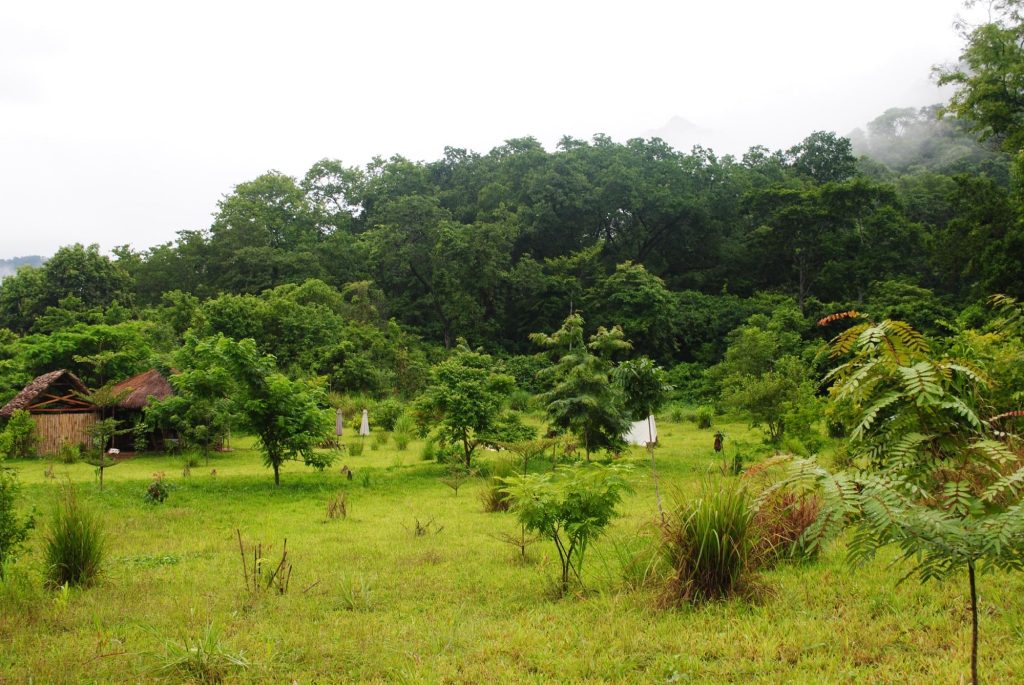
The Sonjo area sits at the northern end of Udzungwa Mountains National Park and holds the park’s easiest waterfall walk plus the trailhead for its longest trek. The Sonjo trail runs about three kilometres with a gain of only 120 metres, taking one to two hours, while the same path is where Mwanihana Peak parties set off. Sonjo village lies a short transfer north of the park headquarters at Mang’ula, in Tanzania’s Kilombero Valley.
Most itineraries treat this as a filler. It works better as the walk you do on the way out of the park, when your legs are already tired from Sanje and you still want one more hour under the canopy.
The Sonjo Waterfall Trail in Udzungwa Mountains National Park
The Sonjo waterfall trail is the gentlest guided walk in the park. Twenty minutes of easy climbing brings you to the base of the first cascade. Fifteen more on a steeper path reaches the second. Neither is huge, and both are the kind of falls you can stand right beside without shouting.
From the second waterfall there are two ways home. Return the way you came, which most people do, or cross the water and take a short sharp pull of about thirty metres up to a ridge, then descend on a different path. Both routes meet the road within twenty metres of each other, so nobody gets lost and the loop version costs you very little extra effort. Some guides walk a longer six kilometre version through miombo that takes closer to three hours.
Sonjo Village and the Northern Edge of the Park
Sonjo is a working village on the road running towards Ifakara, with maize and rice plots pushing right up to where the forest starts. That boundary is worth looking at properly. Behind the last houses the escarpment rises hard and the canopy closes, and the transition from farmland to primary forest happens over a few dozen metres.
Villagers here live with the park in ways that are not always comfortable. Elephants come down into crops. Water for irrigation comes off the same mountain the park protects. Guides raised in these settlements explain that relationship better than any brochure, and the conversation on the walk back is often more interesting than the waterfall.
The Two Sonjo Falls and the Ridge Circuit
Both falls are cascades rather than single drops, water spilling over stepped rock into shallow pools. The lower one gets more visitors, mostly because it is twenty minutes from the road. The upper is quieter and sits in deeper shade.
Paddling is fine. Proper swimming is limited by depth, so anyone hoping to get right in should save that for the plunge pool at the top of the Sanje climb. What Sonjo offers instead is water you can sit beside for half an hour without a queue, which on a hot afternoon is arguably the better deal.
The ridge crossing between the two paths gives the only real gradient on the walk. It is short.
Miombo Woodland Walking Around Sonjo
The longer version of the Sonjo hiking trail passes through miombo, the open brachystegia woodland that fringes the park at low altitude. It looks nothing like the closed rainforest higher up: widely spaced trees, dappled light, grass underfoot, and a completely different set of birds and insects.
Butterflies gather at damp patches here in numbers, particularly from November through May. Certain rare primates spend a good part of the day in this belt, dropping down out of the denser forest to feed, so the woodland stretch is not the dull bit before the good bit. Guides know which trees the troops have been using.
Primate Watching on the Sonjo Trail
Primates and birds are the reason regular visitors keep returning to this path rather than the more famous one. Udzungwa red colobus feed along it, a species restricted entirely to this mountain block. Black and white colobus sit high and still. Blue monkeys move through the understorey, and yellow baboons work the farmland edge near the village.
The Sanje mangabey is present in the wider forest and turns up here occasionally, though the quieter Njokamoni trail gives better odds for that one. As with every forest walk, nothing is promised. Early morning is when the canopy is busiest, and groups that stop talking see considerably more than groups that do not.
Sonjo as the Starting Point for Mwanihana Peak Treks
The same path that day walkers turn back from is where the Mwanihana Peak trek begins. That route runs about 38 kilometres over two or three days, climbing from roughly 300 metres at Sonjo village to a ridge above 2,100, with camping at Njia Panda and higher sites and an armed ranger throughout because elephant and buffalo use the plateau.
Porters usually join the group here rather than at the headquarters, and loads get divided in the village while the guide runs the briefing. If you walk the short Sonjo circuit and see a party being loaded up beside the road, that is what is happening.
Family Walking Tours in the Sonjo Area
Of all the guided walks in Udzungwa, this one suits families best. The distance is short, the gradient mild apart from one brief pull, and there is water at the end that children can safely splash in. Twenty minutes to the first falls is within reach of most six year olds.
Bring insect repellent and long sleeves, since the woodland section has plenty of both mosquitoes and thorny scrub. Carriers work for toddlers. Wheeled buggies do not, and nobody should try. Guides here are patient with slow groups and are used to stopping while somebody investigates a millipede.
Combining Sonjo With Other Udzungwa Hikes
The most common sensible plan is two nights at Mang’ula: Sanje on the full day, Sonjo and Prince Bernhard split across the arrival afternoon and departure morning. Note that the conservation permit runs 24 hours from payment, so timing your walks around that saves a fee.
Best Time for a Sonjo Area Walk
This trail works year round better than any other in the park, because the gradient is mild enough that wet ground is an inconvenience rather than a hazard. Even so, June through October gives the surest footing and the most comfortable temperatures.
Getting to Sonjo
Everything starts with registration at the park headquarters at Mang’ula, on the road between Mikumi town and Ifakara. Sonjo village lies a short distance north of there, and the transfer takes only a few minutes by vehicle or tuk tuk. Guides are assigned at the headquarters, not at the village.
Mang’ula sits five to six hours from Dar es Salaam via Chalinze, Morogoro and the highway that runs straight through Mikumi National Park. From Mikumi itself it is about 65 kilometres, roughly ninety minutes. Iringa is two to three hours to the southwest. The TAZARA train stops at Mang’ula station, and Ifakara buses pass the gate.
Frequently Asked Questions About the Sonjo Area
How much does the Sonjo trail cost?
The park conservation fee is the main charge: 30 US dollars per person for non resident adults, roughly 35.40 once value added tax is added, valid for 24 hours across any trails you walk in that window. A compulsory guide costs around 20 dollars per day, charged per guide rather than per head, so groups share it. Children between five and fifteen pay about 10 dollars and under fives go free. East African citizens pay 5,000 Tanzanian shillings for adults.
How long is the Sonjo waterfall walk?
Around three kilometres with only 120 metres of height gain, taking one to two hours at a relaxed pace. Twenty minutes gets you to the first falls and about thirty five to the second. A longer six kilometre version through miombo woodland runs closer to three hours if you have the time.
Is the Sonjo trail suitable for children?
Yes, more so than anything else in the park. The path is short and mostly gentle, with water at the end. Younger children manage the twenty minute section to the lower falls easily. The ridge loop involves one steep pitch and is worth skipping with small legs or after rain.
Can you swim at the Sonjo falls?
Only shallowly. Both cascades feed pools that are fine for paddling and cooling off but too shallow for proper swimming most of the year. The plunge pool at the top of the Sanje trail is the place to go if swimming is the priority.
Is Sonjo the same as Sanje?
No, though the names get muddled constantly online and even in some park literature. Sanje is the tall three tier waterfall on a four to six hour trail. Sonjo is a village and a short two waterfall walk at the northern end of the park, and it is also where Mwanihana Peak treks begin.
Do I need to book the Sonjo walk in advance?
Not for a day walk. Register at the headquarters, pay the fee and a guide is assigned there and then. Booking ahead makes more sense during the busy dry season months, or if you want a guide with particular strengths in birds or plants. Multi day treks starting from Sonjo do need advance arrangement.
Booking Your Udzungwa Trip
The safari companies and tour operators listed on this website put trips like this together for a living and know which camps, guides and routes actually deliver. We are an independent guide to Udzungwa; we do not book or sell tours ourselves.
When you are ready, arrange your safari, tour or holiday with one of the recognised operators listed here. Tell them your dates and what matters most, and a real person, not a form, will handle the itinerary, park bookings and logistics for you.