How Difficult Are the Hikes in Udzungwa?
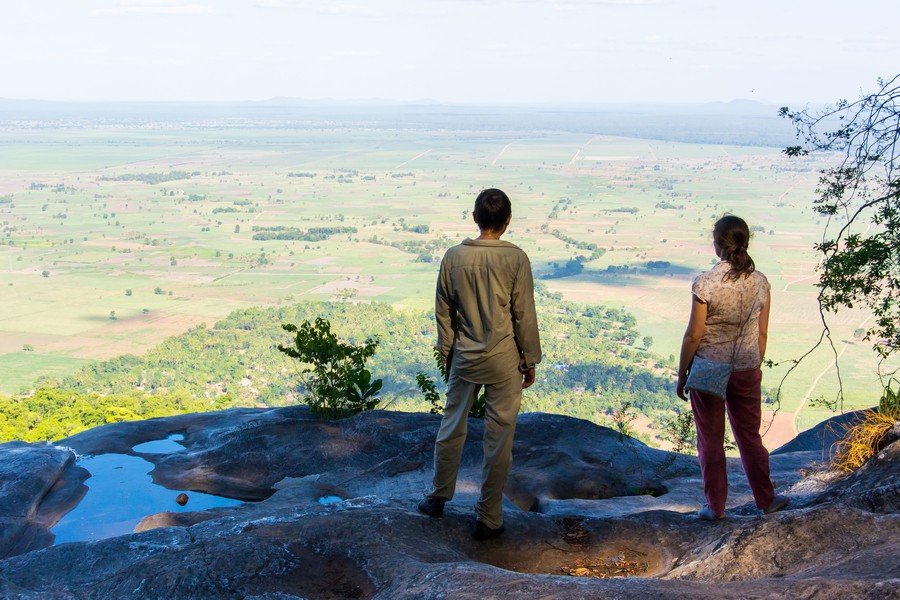
Hikes in Udzungwa Mountains National Park range from easy thirty minute walks to multi day treks of 38 kilometres and more, with the popular Sanje Waterfall trail rated moderate at four to six hours and about 450 metres of climbing. None of it is technical, and the challenge is sustained effort in humidity on uneven ground. Udzungwa is a rainforest park in south central Tanzania where all movement is on foot, so fitness matters more here than in any savannah park.
Nobody needs climbing experience. Plenty of people do underestimate what four hours of tree roots does to their legs.
What Makes Udzungwa Trekking Physically Demanding
Three things, and altitude is not really one of them. The first is gradient, sustained rather than sharp, with the Sanje Waterfall hike gaining 450 metres and the Mwanihana route climbing from around 300 metres to about 2,150 over two days.
The second is surface. Tree roots, loose stone, log bridges over streams and stretches where the path is more suggestion than track. The third, and the one that catches people out, is humidity. The lower forest is hot and airless, and visitors arriving from a dry northern circuit safari find themselves soaked within the first hour.
What is absent is anything frightening. No scrambling, no exposure, no fixed ropes, no altitude sickness.
Easy Walks Near the Park Headquarters
Two trails sit comfortably in the easy bracket. Prince Bernhard Falls runs about a kilometre from the headquarters, thirty to forty five minutes return with a modest rise, and was named for a Dutch prince who at eighty four could not manage the Sanje climb. That tells you the level.
The Sonjo circuit covers three kilometres with only 120 metres of gain, reaching the lower waterfall in twenty minutes and the second fifteen minutes above it. The optional ridge crossing between the two paths adds one short steep pull and can be skipped.
Both suit families, older walkers and anyone easing into the park after a long drive.
Moderate Day Hikes on the Sanje and Njokamoni Trails
The full Sanje circuit is the benchmark. Four to six hours, 450 metres of climbing, moderate but with a genuinely steep final pull to the upper pool. Reasonably fit people who walk regularly manage it without drama, and a shorter lower falls option at two to three hours skips the hardest section entirely.
The Njokamoni trail sits at a similar level, roughly six and a half kilometres over four to five hours, with the climb spread more evenly but several stream crossings on wet stone adding balance work. Neither trail requires experience, and both punish poor footwear.
Hard Day Walks: The Hidden Valleys Circuit
Seventeen kilometres, six to seven hours, climbing above 1,300 metres. This is the longest single day route in the park and a real step up from Sanje in effort if not in technicality.
Steep and sometimes slippery descent to the Moyer River, several crossings, and a section through old fire damage where ground cover has replaced canopy and the correct path is easy to lose. An armed ranger is required since elephant and buffalo use the grassy clearings up there. Guides recommend starting from the camp end because more tree cover shades the ascent.
Multi Day Trekking Difficulty on the Mwanihana Route
Thirty eight kilometres over two or three days, with the middle day running six to eight hours and the two night version compressing the summit and descent into one very long day. Porters carry tents, food and equipment while you carry water, layers and a camera, which makes the loads manageable.
Camping adds its own demands. Nights on the plateau drop towards nine degrees between June and September, and sleeping badly in the cold makes the next day considerably harder than the map suggests.
Expedition Difficulty on the Lumemo and Luhombero Routes
The Lumemo Trail runs 65 kilometres over four or five nights, and the Luhombero expedition to the park’s highest point at roughly 2,576 metres takes five to seven days depending on the start. Both push into country with no road, no huts and no evacuation route.
Difficulty here is less about gradient and more about self sufficiency and consecutive days. Faint paths that grow over between seasons, wild camps chosen around water sources, and no possibility of resupply once you are in. Prior multi day trekking experience is strongly advised, and operators will usually ask about it.
Trail Hazards to Be Aware Of
Slipping is the main one. Root covered sections turn genuinely treacherous after rain, and the long rains from March to May make several routes impractical rather than merely awkward. Stream crossings rise fast in the wet months.
Wildlife is managed rather than absent. Elephant and buffalo range across the plateau, which is why an armed ranger is compulsory on the higher trails, and rangers set the spacing and decide when to hold position. Baboons near the forest edge will take unattended food. Heat and dehydration account for more difficulty than any animal, since there is nowhere to refill water on the trails.
Who Can Manage the Udzungwa Hikes
Anyone with knee trouble should think carefully about the long descents and take poles. Nobody needs to be an athlete, and guides adjust pace to the slowest walker as a matter of course.
How Guides Manage Pace and Rest Stops
Nobody is timed here. Guides set the pace to the slowest walker as a matter of routine, and they stop often, partly for breath and partly because standing still is when the canopy starts giving things up.
Say early on if you want a slow day. Guides would rather know at the trailhead than work it out at hour three, and the difference between a hard walk and a pleasant one is often just a stated preference at the start. They also carry radio contact with the headquarters, so turning back partway is a normal decision rather than a failure, and plenty of groups shorten a route without any fuss at all.
How the Season Changes Hiking Difficulty
Weather moves every trail up or down a grade. June through October gives firm ground and the easiest conditions, while the long rains turn moderate walks into hard ones and hard walks into unwise ones.
Getting to the Trailheads and Starting Well
All walking begins at the headquarters at Mang’ula, on the road between Mikumi town and Ifakara, where you register, pay and are assigned a guide. Sanje’s trailhead is a few kilometres north near Sanje village, and Sonjo village further on serves both the short circuit and the Mwanihana trek.
Arrive before mid morning if walking the same day. Guides push for an eight o’clock start because the lower forest is unpleasant at midday and primates go quiet through the middle of the day. Mang’ula is five to six hours from Dar es Salaam and about 60 kilometres from Mikumi.
Frequently Asked Questions About Hiking Difficulty
What does a guided hike cost?
The park conservation fee is 30 US dollars per person for 24 hours for non resident adults, about 35.40 with value added tax. A compulsory guide adds roughly 20 dollars per day, charged per guide rather than per person, with an armed ranger a similar amount on the routes requiring one. Multi day treks including porters, cook and equipment run 400 to 500 dollars per person for Mwanihana and 800 to 1,200 for Luhombero.
How fit do I need to be for the Sanje hike?
Fit enough to walk uphill for two hours in humidity and come back down again. If you walk regularly at home you will manage it. If four hours on your feet sounds like a lot, take the shorter lower falls option at two to three hours, which skips the steepest section and still reaches water.
Are the hikes suitable for children?
The short trails are. Prince Bernhard and Sonjo suit children from about six, both with pools at the end. The lower falls route on the Sanje trail works from about eight. The full Sanje circuit and anything longer is too much for most young children, and guides will say so honestly.
Is altitude a problem in Udzungwa?
No. The highest point in the park is around 2,576 metres and the popular trails top out far below that, so altitude sickness is not a realistic concern. Cold at night on the plateau is a genuine issue, and it surprises people in what they think of as a tropical forest.
What is the hardest trail in the park?
The Luhombero expedition, five to seven days to the highest point with wild camping and no evacuation road. Of the established routes, Lumemo at 65 kilometres over four or five nights comes next. Of the day walks, Hidden Valleys at seventeen kilometres and six to seven hours is the toughest.
Do I need trekking poles?
Not required, and genuinely useful on anything longer than the short walks. The descents are where poles earn their place, particularly on the Sanje trail and after rain when the root sections are slick. Bring them if you own them.
Booking Your Udzungwa Trip
The safari companies and tour operators listed on this website put trips like this together for a living and know which camps, guides and routes actually deliver. We are an independent guide to Udzungwa; we do not book or sell tours ourselves.
When you are ready, arrange your safari, tour or holiday with one of the recognised operators listed here. Tell them your dates and what matters most, and a real person, not a form, will handle the itinerary, park bookings and logistics for you.