Mwanihana Peak Trek in Udzungwa National Park
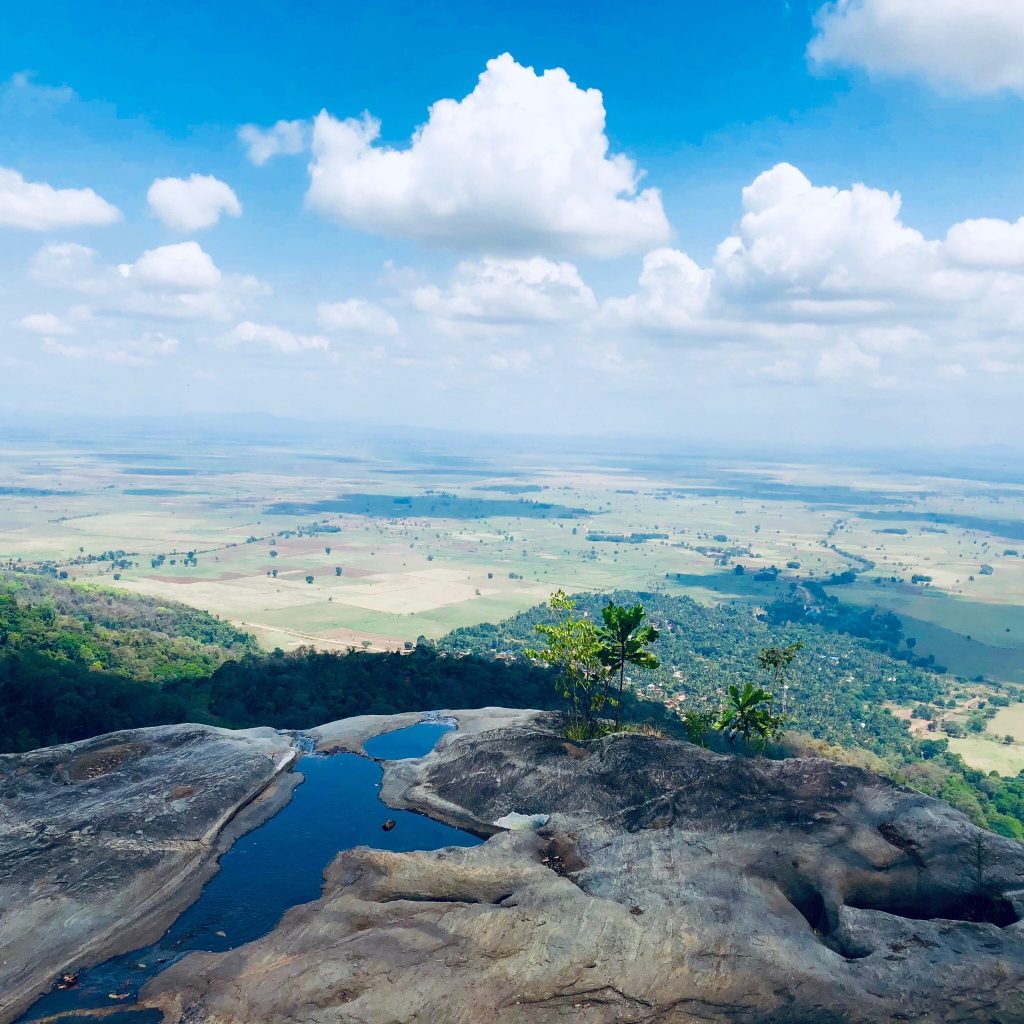
The Mwanihana Peak trek is a 38 kilometre guided route in Udzungwa Mountains National Park, walked over two or three days from Sonjo village to a ridge around 2,150 metres, with camping at Njia Panda and higher forest sites. It must be booked ahead, since porters, a cook and an armed ranger are all required. Udzungwa lies in south central Tanzania, and this is the park’s flagship multi day walk.
What follows is the practical side: booking it, what it costs, what you need, and how to arrive fit enough to enjoy it rather than endure it.
Booking the Mwanihana Trekking Safari
Unlike day walks, which need no reservation at all, this trek has to be arranged in advance so that permits, an armed ranger, porters, a cook and equipment can be assembled. Weeks ahead is the minimum, and months during the busy dry season from June to October.
Two routes to booking exist. The solar powered camp on the park boundary organises special camping inside the park and handles the whole package, which is often simplest since the people arranging it live at the trailhead. Southern circuit operators also sell the trek within longer itineraries. Whichever you choose, ask for conservation fees, camping fees, ranger fees and equipment hire to be itemised.
Choosing Between the Two and Three Day Versions
The same 38 kilometres, split differently. One night makes for a hard, fast trek with a summit day running ten hours or more, and groups finishing in the dark are not unusual on that schedule.
Two nights spreads the distance across three days, gives more time in the upper forest where the walking becomes genuinely interesting, and leaves you descending on fresh legs. Guides push for the longer version for anyone not already used to consecutive days on trail, and the extra cost is modest against the difference it makes.
What the Package Includes
You carry water, layers and a camera. Everything else travels with the porters, which keeps the daypack light enough that the climb is about legs rather than load.
Preparing Physically for the Trek
Fit enough to walk six to eight hours on uneven ground on consecutive days. There is no scrambling, no exposure and no altitude problem below 2,600 metres, so the demand is endurance rather than skill.
Humidity in the lower forest tires people more than the gradient does, which is the thing to prepare for and hardest to simulate. Hill walking with a daypack is the useful training. Boots should be broken in long before arrival, since blisters on day one of a route with no road out is a miserable situation porters cannot fix for you. Anyone with knee trouble should bring poles, because the descent does more damage than the climb.
Packing for the Mwanihana Trek
What the Trek Actually Shows You
Habitat variety more than anything else. The route climbs from about 300 metres through miombo woodland, lowland forest, grassy plateau, submontane and montane forest, bamboo glades and heather at the summit, which is more change than any other trail here delivers.
Elephants use the open plateau corridors and are seen on this route with some regularity. It is also described as the most successful trail in the park for the Sanje mangabey, the endemic monkey that stays hidden on the busy waterfall paths. From the ridge, when cloud allows, the Kilombero lowlands spread southeast towards Nyerere National Park and forest runs unbroken inland with no road in it.
Why an Armed Ranger Comes Along
Elephant and buffalo both use the grassy clearings on the plateau and the forest streams, and thick cover means you can meet one at short range with little warning. TANAPA requires an armed ranger with every trekking party as a result, and the fee sits inside the package price.
Rangers set the walking order and decide when to hold position or back off, and those instructions are not open to debate. In practice most of a ranger’s day is spent reading tracks and pointing out things the guide has missed, and groups walk this route regularly without incident precisely because the system works.
Tipping and Etiquette With the Crew
Tipping the guide, ranger, porters and cook at the end is customary and sits outside any quoted price. Small denomination Tanzanian shillings are the practical way to handle it, since there is no reliable cash point at Mang’ula, so draw what you need before leaving Morogoro or Mikumi.
Beyond money, the useful courtesies are simple. Keep to the agreed pace so the crew can plan the day, say early if you are struggling rather than pushing on quietly, and remember that porters are carrying a good deal more than you are. Guides and porters come from the villages along this valley, which is the main route by which tourism money reaches the communities living against the forest.
Combining the Trek With the Rest of a Trip
Three or four days at Mang’ula covers the trek plus an arrival evening and a recovery morning, which is the shape most people should book. Adding the short Prince Bernhard walk on the afternoon before is a sensible way to test boots on real ground rather than on tarmac.
Beyond the park, Mikumi sits about 60 kilometres north with game drives on the Mkata floodplain, and the contrast between a forest trek and open plains game viewing is what makes a southern circuit trip work. Nyerere and Ruaha extend it further for anyone with longer. What does not work is planning to come off the ridge and drive five hours to Dar es Salaam the same day, since trekkers descend slower and muddier than the schedule suggests.
Best Season for the Mwanihana Peak Trek
June through October. Plateau ground drains, stream crossings drop, and clear summit mornings become likely rather than lucky. Cold nights at altitude are the trade.
What a Typical Day on the Trek Looks Like
Early, and slower than you expect. The cook has breakfast going before light, camp comes down while you eat, and walking starts by seven or so to use the cool hours and catch the primates while they are still feeding.
Morning covers most of the distance. A long stop for lunch somewhere with water, then a shorter afternoon leg into the next camp by mid afternoon, which leaves time to wash in a stream and sit still before dark. Evenings are quiet: dinner over a fire, tree hyrax starting up once the light goes, and most people asleep well before nine. On the summit day the pattern shifts, with a pre dawn start and a long push to the ridge before cloud builds on the high ground.
Getting to the Trek Start at Sonjo Village
Register at the park headquarters at Mang’ula on the road between Mikumi town and Ifakara, then transfer a short distance north to Sonjo village, where porters usually join and loads are divided.
Mang’ula is five to six hours from Dar es Salaam via Chalinze, Morogoro and the highway through Mikumi National Park, and around 60 kilometres from Mikumi itself. Iringa lies two to three hours southwest. Arrive the day before so the briefing and kit check are not rushed, and plan a recovery morning at the end rather than driving five hours to the coast straight off the mountain.
Frequently Asked Questions About the Mwanihana Peak Trek
How much does the trek cost?
Between 400 and 500 US dollars per person for the two or three day trek, covering guide, armed ranger, porters, cook, equipment hire, food and all park fees. Group size moves the figure noticeably, since staff costs divide while conservation fees do not. Those run at 30 dollars per person for each 24 hours, roughly 35.40 with tax, with camping inside the park adding around 35.40 per person per night.
How far ahead should I book?
Weeks at minimum, and months for July through September when the small supply of beds near the gate also fills. Rangers, porters and permits all have to be arranged, so this is not something the headquarters can put together on the morning you arrive.
Is the two day version enough?
It covers the same 38 kilometres and reaches the same ridge, so yes in the literal sense. The summit day runs ten hours or more, though, and groups on that schedule frequently finish in the dark. If your fitness or your schedule is uncertain, take three days.
What is the accommodation like?
Tents at forest campsites with no facilities beyond what the crew carries. Njia Panda at around 900 metres has a ranger post, and researchers often occupy the second camp, which makes for good dinner conversation. Water is drawn from streams and treated, and washing happens in a mountain stream.
Can beginners do this trek?
Anyone who hikes regularly at home will manage the three day version. It suits people new to multi day trekking better than it suits people new to walking altogether. If consecutive days on foot sound daunting, the overnight Sanje camping trip at about nine kilometres is a gentler introduction.
What happens if someone cannot continue?
Guides carry radio contact with the headquarters, and turning back is a normal decision rather than a failure. There is no road into the interior, so evacuation means walking out with the crew’s help, which is the main argument for insurance covering hiking and for choosing the route that matches your group’s real fitness.
Booking Your Udzungwa Trip
The safari companies and tour operators listed on this website put trips like this together for a living and know which camps, guides and routes actually deliver. We are an independent guide to Udzungwa; we do not book or sell tours ourselves.
When you are ready, arrange your safari, tour or holiday with one of the recognised operators listed here. Tell them your dates and what matters most, and a real person, not a form, will handle the itinerary, park bookings and logistics for you.