When Is the Best Time to See Primates in Udzungwa?
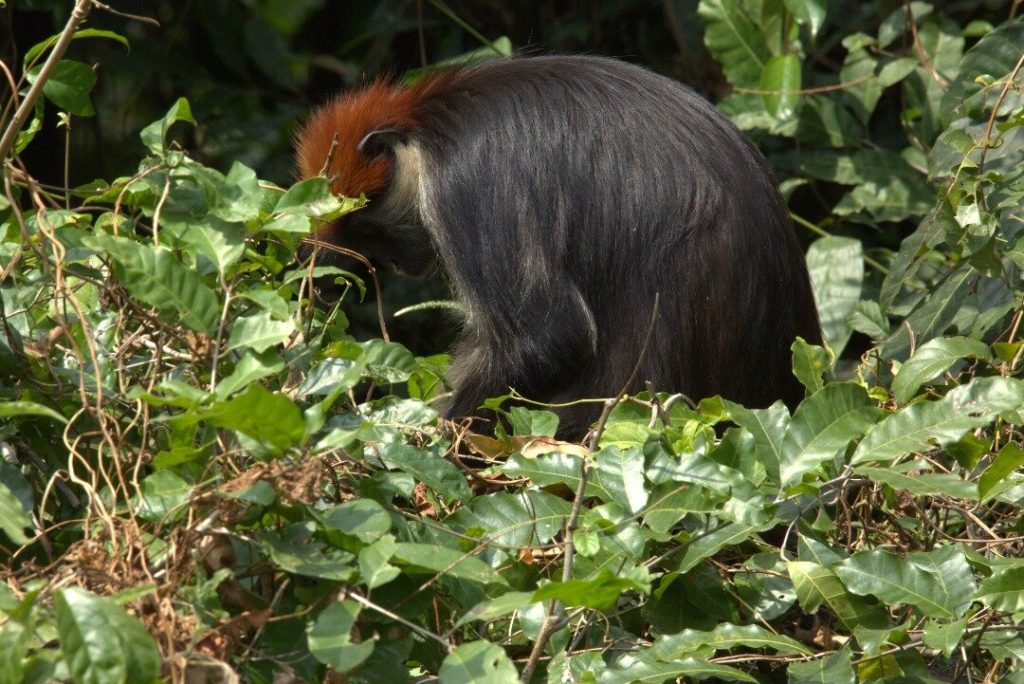
The best time for primate tracking in Udzungwa Mountains National Park is early morning in the dry season from June to October, when trails are firm enough to reach the quieter routes where the endemic species live. Primates are present year round, so the seasonal question is really about walking conditions rather than animal movements. Udzungwa is a rainforest park in south central Tanzania holding twelve primate species, two of which live nowhere else on earth.
Time of day matters more than month. A June afternoon produces less than a February dawn.
Why Early Morning Beats Every Other Factor
Primates feed hard in the first hours after sunrise and go quiet through the middle of the day. That pattern holds in every season and does more for your odds than any calendar decision.
Guides push for an eight o’clock departure from the headquarters, and earlier is better still. It also avoids the worst of the heat on the lower trails, where humidity under closed canopy is the thing that tires people out. A primate tracking walk starting at six and finishing at eleven will beat the same trail walked from ten to three, comfortably.
Dry Season Primate Tracking from June to October
This is the recommended window, mainly because it opens the trails where the harder species live. The Sanje mangabey is best found on the quiet Njokamoni route or high on the Mwanihana trek, and both become slow and slippery once the rains set in.
Firm ground also lets you walk further and stop more, which matters when the animals are thirty metres up. Nights at altitude drop towards nine degrees and days sit around twenty one, which is comfortable walking weather by any standard. The trade is that these are the busiest weeks for the small number of beds near the gate.
Short Rains from November to December
Rain returns as afternoon storms rather than steady drizzle, which leaves mornings largely intact. This is also the hottest stretch of the year, with daytime temperatures near twenty five degrees in the valley and October highs touching thirty one.
Fruiting shifts through these months and troops move accordingly, which is not a decline so much as a redistribution. Guides who walk daily know where the movement has gone. Trails are quieter than in the dry season, so the pressure that keeps the mangabey off the busy Sanje path eases a little.
January and February for Primate Watching
A gap opens between the short and long rains, with temperatures easing to around twenty three degrees by day and rainfall becoming unpredictable rather than constant. Humidity stays high and the forest is thick with growth.
Low altitude viewing remains reliable throughout. The Udzungwa red colobus favours lower forest and is seen on the short trails in any month, and the camp grounds on the park boundary produce four primate species regularly regardless of season. This period is also the peak for birding, so a trip built around both works well.
Long Rains from March to May
April is the wettest month and the steep sections turn genuinely slippery. Several trails become impractical and multi day treks are often suspended entirely.
Primate viewing does not stop. Red colobus, black and white colobus and blue monkeys are still on the short trails near the headquarters, and the camp grounds still deliver. What closes is access to the higher and quieter routes, which is precisely where the mangabey odds live. Anyone whose whole reason for coming is that species should avoid these months.
Best Timing for the Sanje Mangabey
June through October, on the Njokamoni trail or the Mwanihana route, starting early. That is the short answer.
The species is shy, forages on the ground as much as in the canopy, and numbers only around two thousand across two separated populations. On the busy Sanje path it usually stays out of sight. Park staff have habituated one troop, which has improved viewing considerably, so ask at the headquarters when you register whether that group is currently accessible and which trail the guides are recommending that week.
Best Timing for the Udzungwa Red Colobus
Any month, honestly. This species prefers low altitude forest, and those trails stay walkable year round. Troops feed along the Sanje, Sonjo, Prince Bernhard and Njokamoni routes and move through the grounds of the camp on the park boundary in the early morning and late afternoon.
For the most relaxed viewing of all, the flat five kilometre trail at the Magombera nature reserve below the mountains holds relatively habituated troops that watch visitors rather than fleeing, and late May to August is described as the best window there.
When to Look for Nocturnal Primates
Six galago species live in this range, which makes it unusually rich for nocturnal primates, and the mountain galago here may prove distinct on the basis of its calls. Seeing them takes a torch, patience and luck.
Dry season nights are the practical choice, since standing outside in the rain listening for bushbabies has limited appeal. Around the lodge grounds after dark is the realistic setting. Much of what you hear calling at night is tree hyrax rather than primate, which sounds considerably more alarming than anything actually present.
How Long to Allow for Primate Tracking
One morning gets you the common species. Two or three days is what it takes to have a fair shot at the full list, because the endemic mangabey needs a different trail from the one that produces easy red colobus sightings.
A workable plan across three days runs like this. Njokamoni on the first full day, four to five hours, targeting mangabey on the quietest route in the park. Sanje on the second, four to six hours, for both colobus species and the waterfall. An early morning on the third simply sitting in the camp grounds with binoculars, which produces four primate species regularly and costs nothing but patience.
Trying to compress that into a single day trip from Mikumi means seeing the waterfall and whatever happens to be beside the path on the way.
Season by Season Summary for Primate Tracking
What Else Is Active at the Same Time of Day
The early hours that suit primates suit almost everything else in this forest. Hornbills cross overhead in the first light and again at dusk, when the valley fills with their calls. Forest birds are vocal before nine and largely silent by eleven, which is the same window your guide is walking you through.
Duiker and bushbuck move on the paths before the day warms. Butterflies come later, gathering at damp ground once the sun reaches the stream margins, so a walk that starts at six and finishes at midday catches both ends of the pattern. Sengis rustle through leaf litter at any hour and are gone before most people register what moved. None of this needs separate planning; it comes free with an early start.
Getting to Udzungwa for a Primate Walking Safari
Register at the park headquarters at Mang’ula on the road between Mikumi town and Ifakara, where fees are paid and a guide assigned. Dar es Salaam is five to six hours away via Chalinze, Morogoro and the highway through Mikumi National Park, with graded dirt covering the last 24 kilometres from Kidatu. Mikumi is around 60 kilometres north and Iringa two to three hours southwest.
The TAZARA train stops at Mang’ula station, usually arriving at night, so arrange a pickup in advance. Ifakara buses pass the gate and tuk tuks handle the short hops to the trailheads.
Frequently Asked Questions About Primate Timing in Udzungwa
What does primate tracking cost here?
No special permit exists, unlike gorilla or chimpanzee tracking elsewhere in East Africa. You pay the park conservation fee of 30 US dollars per person for 24 hours for non resident adults, about 35.40 with value added tax, plus a compulsory guide at roughly 20 dollars per day charged per guide rather than per head. Children between five and fifteen pay around 10 dollars. Fees are the same in every season.
What time should I start walking?
As early as the headquarters allows, and no later than eight. Primates feed hardest in the first hours after dawn and go quiet by mid morning. Early starts also spare you the worst of the humidity on the lower trails, which is the thing that shortens most people’s walks.
Is the dry season really better for primates?
For the endemic mangabey, yes, because it opens the quiet high trails where that species is findable. For red colobus and the commoner monkeys it makes little difference, since they live in low forest that stays accessible all year. So the honest answer depends on which species you came for.
Do primates move seasonally in the park?
They shift with fruiting rather than migrating. Troops use different stretches of canopy through the year, which is why guides who walk the trails daily are worth listening to when they suggest a route different from the one you had in mind.
How many species will I see in a day?
Two or three is typical on a half day walk in good conditions, most often red colobus, Angolan black and white colobus and blue monkeys, with baboons near the forest edge. Four is a good day. Seeing the mangabey lifts it well above that, and it is never promised.
Does weather affect primate behaviour?
Heavy rain drives them into cover and quietens the forest, so a wet morning is a poor one. Overcast conditions are fine and sometimes better than bright sun, which pushes troops into shade higher up. Guides read the morning and adjust the route accordingly.
Booking Your Udzungwa Trip
The safari companies and tour operators listed on this website put trips like this together for a living and know which camps, guides and routes actually deliver. We are an independent guide to Udzungwa; we do not book or sell tours ourselves.
When you are ready, arrange your safari, tour or holiday with one of the recognised operators listed here. Tell them your dates and what matters most, and a real person, not a form, will handle the itinerary, park bookings and logistics for you.