Best Time to Visit Udzungwa Mountains National Park
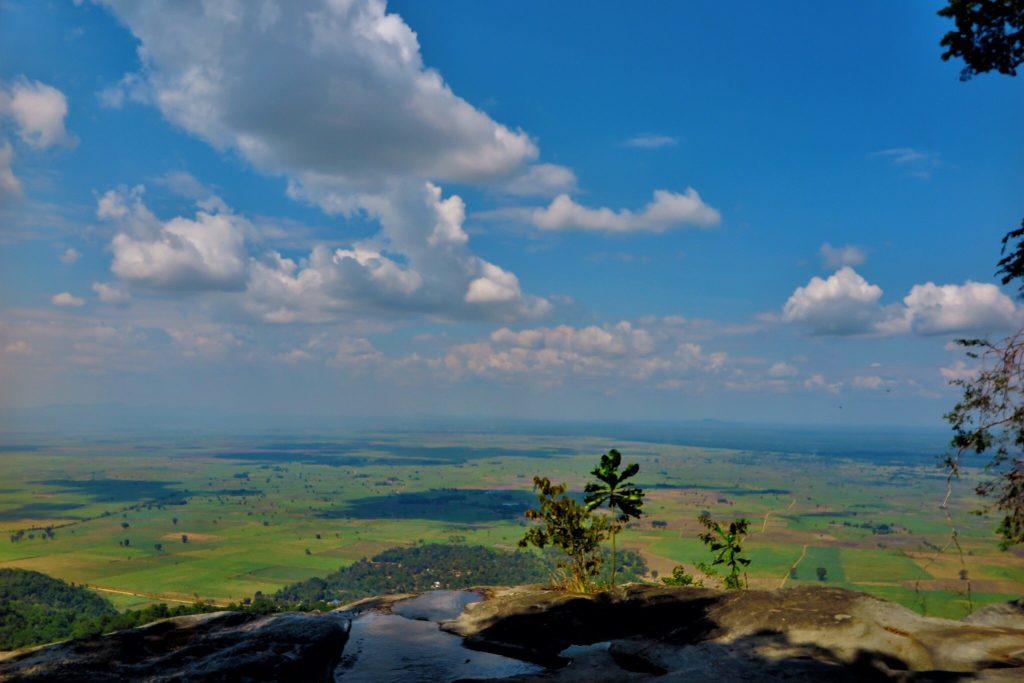
The best time to visit Udzungwa Mountains National Park is the dry season from June to October, when forest trails firm up, stream crossings drop and the plateau viewpoints clear. Walking is the only way to see this park, so trail conditions matter more here than game viewing weather does elsewhere. Udzungwa sits in south central Tanzania, a rainforest reserve in the Eastern Arc chain, and it stays green year round because the range makes its own moisture.
The park never closes and every month is walkable at some level. What changes is which trails are sensible and how hard the ground works against you.
The Dry Season from June to October for Udzungwa Trekking
This is the window nearly every guide recommends for a Udzungwa trekking safari. Rainfall drops sharply, the steep root covered pitches on the Sanje and Njokamoni trails stop being hazardous, and the grassy plateau sections drain enough for multi day treks to run comfortably.
Temperatures suit walking. Days sit around twenty one degrees at altitude with nights dropping towards nine, cool enough that a proper sleeping bag matters if you are camping. Down in the valley it stays warmer. Mist and light rain still occur at higher elevations even in these months, since the forest generates its own weather off the Indian Ocean side of the escarpment, so nobody should expect guaranteed sunshine.
The trade is company and price. These are the busiest weeks at the small number of beds near the gate.
Short Rains from November to December on Udzungwa Trails
Rain returns in November, usually as afternoon storms rather than all day drizzle, and this period is the hottest of the year with daytime temperatures around twenty five degrees in the valley and highs touching thirty one in October.
Walking remains perfectly viable. Morning starts work well because storms tend to build later, and the shorter trails near the headquarters shrug off wet ground. What suffers is the high plateau, where cloud sits lower and the views that make the Mwanihana ridge worth two days of climbing often fail to appear.
Butterflies begin to build. Migrant birds arrive. Trails are quieter than in the dry months and rates near the gate soften.
January and February Walking Conditions in the Forest
A gap opens between the short and long rains, with temperatures easing slightly to around twenty three degrees by day and rainfall becoming unpredictable rather than constant. Some years this stretch is close to dry. Others it is not.
For birdwatchers this is the strongest period of all. December through February brings the peak of migrant activity, with many species nesting inside the park, and the resident Eastern Arc specialists are calling. Butterflies are at their best across the miombo belt and along stream margins.
Multi day treks are possible in these months but less reliable, and operators will hedge on whether the summit ridge will show you anything.
The Long Rains from March to May in the Udzungwa Forest
April is the wettest month and the southeastern slopes of this range take up to two or three thousand millimetres of rain across the year, most of it arriving now. Nights cool to around thirteen degrees with days near twenty two.
The forest is at its most alive. Waterfalls run at full volume, fungi appear across the floor, frogs call from every pool and orchids flower on mossy bark. It is the season biologists and photographers choose, and the season most hikers avoid.
Trails become the problem. Root covered sections turn genuinely slippery, stream crossings rise, and many of the higher routes are impractical. Some operators suspend multi day treks entirely for these months, and several sources note that a number of trails become inaccessible. The short walks near the headquarters keep running.
Best Months for Primate Tracking in Udzungwa
Primates are present year round and neither season shuts them down, so the question is really about how easily you can walk to them. Dry months win on that basis, particularly for the Sanje mangabey, which is best found on the quiet Njokamoni trail or high on the Mwanihana route where wet conditions make the going slow.
The Udzungwa red colobus, being a lower altitude species, is reliable in any month and often visits the grounds of the camp at the park boundary. Early morning is the productive time whatever the season, since the canopy goes quiet through the middle of the day. Sightings are never guaranteed, and a group that walks quietly sees considerably more than one that does not.
Best Season for Birdwatching Tours in Udzungwa
December to February, without much argument. Migrants are in and nesting, resident species are vocal, and the roughly 400 recorded species are at their most active. The wetlands along the Mang’ula road add herons, kingfishers and cisticolas to whatever the forest produces.
The catch is that the Eastern Arc specialists live high, and the montane forest where the Udzungwa forest partridge and rufous winged sunbird occur is hardest to reach in exactly these months. Serious birders often compromise on late June or early July, taking slightly reduced activity in exchange for being able to get up there at all.
When Waterfall Hikes Are at Their Best
Sanje Falls drops roughly 170 metres across three tiers and keeps flowing all year, which is unusual and comes down to the forest holding its own moisture. So the dry season does not reduce it to a trickle the way seasonal falls elsewhere collapse.
Best Timing for Multi Day Udzungwa Treks
June to October, and for the longest routes realistically only then. The 38 kilometre Mwanihana trek needs drained plateau ground and manageable crossings. The five day Lumemo Trail and the Luhombero expedition, which runs five to seven days to the park’s highest point at around 2,576 metres, both push deep into country with no evacuation road, and operators will not usually run them in the long rains.
Book these months ahead. Rangers, porters and permits for a week in the interior cannot be assembled at short notice in peak season.
Month by Month Summary for a Udzungwa Safari
Getting to Udzungwa Whatever the Season
The park headquarters at Mang’ula sits on the road between Mikumi town and Ifakara, and the tarmac ends before you reach it, giving way to graded dirt for the final stretch past Kidatu. That road is fine in the dry months and slower after heavy rain, though it stays passable.
Dar es Salaam is five to six hours away via Chalinze, Morogoro and the highway through Mikumi National Park. From Mikumi it is around 65 kilometres, roughly ninety minutes. Iringa lies two to three hours southwest. The TAZARA train stops at Mang’ula station and Ifakara buses pass the gate.
Frequently Asked Questions About Visiting Udzungwa
Do park fees change by season?
No. TANAPA conservation fees are flat year round, at 30 US dollars per person for 24 hours for non resident adults, roughly 35.40 with value added tax. Children between five and fifteen pay about 10 dollars and under fives go free. What does move seasonally is accommodation, with the camp on the park boundary charging more from June to October than in the wet months.
What is the wettest month in Udzungwa?
April, at the height of the long rains. The southeastern slopes of the range take up to two or three thousand millimetres a year while the northwestern side sits in a rain shadow and receives closer to six hundred. Most of the annual total falls between November and May.
Can I visit Udzungwa in the rainy season?
Yes, with adjusted expectations. Short trails near the headquarters run all year and the forest is at its most striking. Steep sections become slippery, some higher routes are impractical, and multi day treks are often suspended between March and May. Bring proper footwear and accept that summit views may not happen.
When is it coldest in the park?
June to September at altitude, when nights fall towards nine degrees and days sit around twenty one. Down in the Kilombero Valley it stays considerably warmer. Anyone camping on the plateau in these months needs a real sleeping bag rather than a liner, which catches people out regularly.
How many days should I allow?
Two nights at Mang’ula covers the Sanje climb plus one or two short walks and works in any season. Three or four nights lets you add Njokamoni or the Hidden Valleys circuit. Multi day treks need four days minimum including travel, and are worth planning for the dry season above all.
Is Udzungwa busy in the dry season?
Busy is relative here. This park sees a fraction of the visitors the northern circuit takes, and even in peak months the trails are quiet by any normal standard. What fills up is accommodation, because the supply near the gate is genuinely small. Book beds early and the trails will look after themselves.
Booking Your Udzungwa Trip
The safari companies and tour operators listed on this website put trips like this together for a living and know which camps, guides and routes actually deliver. We are an independent guide to Udzungwa; we do not book or sell tours ourselves.
When you are ready, arrange your safari, tour or holiday with one of the recognised operators listed here. Tell them your dates and what matters most, and a real person, not a form, will handle the itinerary, park bookings and logistics for you.